הדיאלוג שבין אנזימי ה-HAT ל-HDAC: הדרמה שבין מחלה (סגירת הגנום) לחירות | ירון מרגולין מבט אפיגנטי חלוצי על ציר האיברים [PMC11172481]. כיצד התנהלות האדם ותרופות כוחניות משביתות את ה-HAT ומאלצות את 18 אנזימי ה-HDAC לנעול את הגנום [PMC12461650], ופרוטוקול החומרים הצנועים שמשיב לגוף את השקט.
בחלק א' של חיבורנו ("הדיאלוג שבין אנזימי ה-HAT ל-HDAC יכול להרוג אותך") עסקנו בדרמה האפיגנטית שהתרחשה בתוך כספת הגנום בגרעין: המאבק המכריע בין דה–אצטילציה של היסטונים, נעילת הכרומטין והשתקת גנים מגינים (מובילי פיברוזיס וצימוק חיוניות התא), לבין אצטילציה, חירות תאית, התחדשות ואריכות ימים (Longevity) [מקור].
אולם, הדרמה התאית אינה שמורה למתחם הגרעיני בלבד. המחקר הציטולוגי והנורו-כלייתי המודרני מוכיח כי אנזימי ה-HDAC אינם פועלים רק כ"מספריים" גנטיות מבודדות, אלא כרכיבים מרכזיים בצירי תקשורת רב-שכבתיים (HDAC Axes). צירים אלו מקשרים בין הסטרסור הכימי והסביבתי בציטופלזמה, דרך הנדסת הציטוסקלטון (שלד התא), ועד לתקשורת המערכתית המהדהדת בטרקלין הרב-איברי – ציר כליה-כבד-לב-מוח, נושא עליו פרסמתי כאן.
נצעד לאט בחומר מאוד חדשני ונחבר בין הביולוגיה התאית המדויקת, הניתוח האפיגנטי והציטופלזמתי, לבין מראי מקום מהספרות המדעית והמחקרית העדכנית ביותר (מחקרים בתחומי הנפרולוגיה האפיגנטית, ביולוגיה של הפודוציט ורגולציה של HDACs).
פרק 1: ציר HDAC6 והמלכוד הכימי של התרופות
1.1 ציר HDAC6, אלפא-טובולין וקריסת שלד הפודוציט
בניגוד לרוב אנזימי ה-HDAC הפועלים בתוך הגרעין, HDAC6 הוא אנזים ציטופלזמתי בעיקרו [מקור1, מקור2]. המטרה המרכזית שלו בציטופלזמה היא אלפא-טובולין (\alpha-tubulin) – אבן הבניין של המיקרוטובולים המרכיבים את שלד התא.
במצב פיזיולוגי תקין, אצטילציה של אלפא–טובולין מעניקה למיקרוטובולים יציבות, גמישות ויכולת שינוע פנים–תאי. אולם, כשהתא נחשף לסטרסור חריף, ציר HDAC6 נכנס לאקטיבציית-יתר ומסיר קבוצות אצטיל מהטובולין.
הערה: סטרסור (Stress-or) הוא כל גורם שמפעיל דחק, סטרס ועקה. כשמדברים על "סטרסורחריף" ברמה התאית והפיזיולוגית, לא מדובר רק על משהו שבא מבחוץ (כמו מכה או רעל חיצוני), אלא על תגובת השרשרת שהתא מייצר בתוכו. עוד על כך בהערה למטה.
בפודוציטים – תאי הסינון הכלייתיים התלויים לחלוטין בארכיטקטורת השלד שלהם – הסרת אצטיל זו ✂️ מובילה למחיקת זרועות הרגליים (Foot process effacement). הזרועות המורכבות משתטחות, מחסום הסינון נפרץ, חלבון דולף לשתן (פרוטאינוריה), ועלול להתחיל תהליך מואץ של פיברוזיס וצימוק כלייתי [מקור1, מקור2]. שינויים אלה עדין נחקרים. בכלל זה הפגיעה בארכיטקטורה העדינה של תא הסינון מה שעלול לתרום לפגיעה במחסום הגלומרולרי. היקף ההשפעה והמעבר מפגיעה תאית לנזק כלייתי מתמשך תלויים בהקשר הביולוגי בתפריט ההזנה ואורח החיים.
מראי מקום מחקריים:
Hubbert, C., et al. (2002). HDAC6 is a microtubule-associated deacetylase.Nature, 417(6887), 455-458.
Liu, F., et al. (2019). HDAC6 inhibition attenuates podocyte injury and proteinuria in experimental kidney disease.Kidney International, 95(4), 840-852.
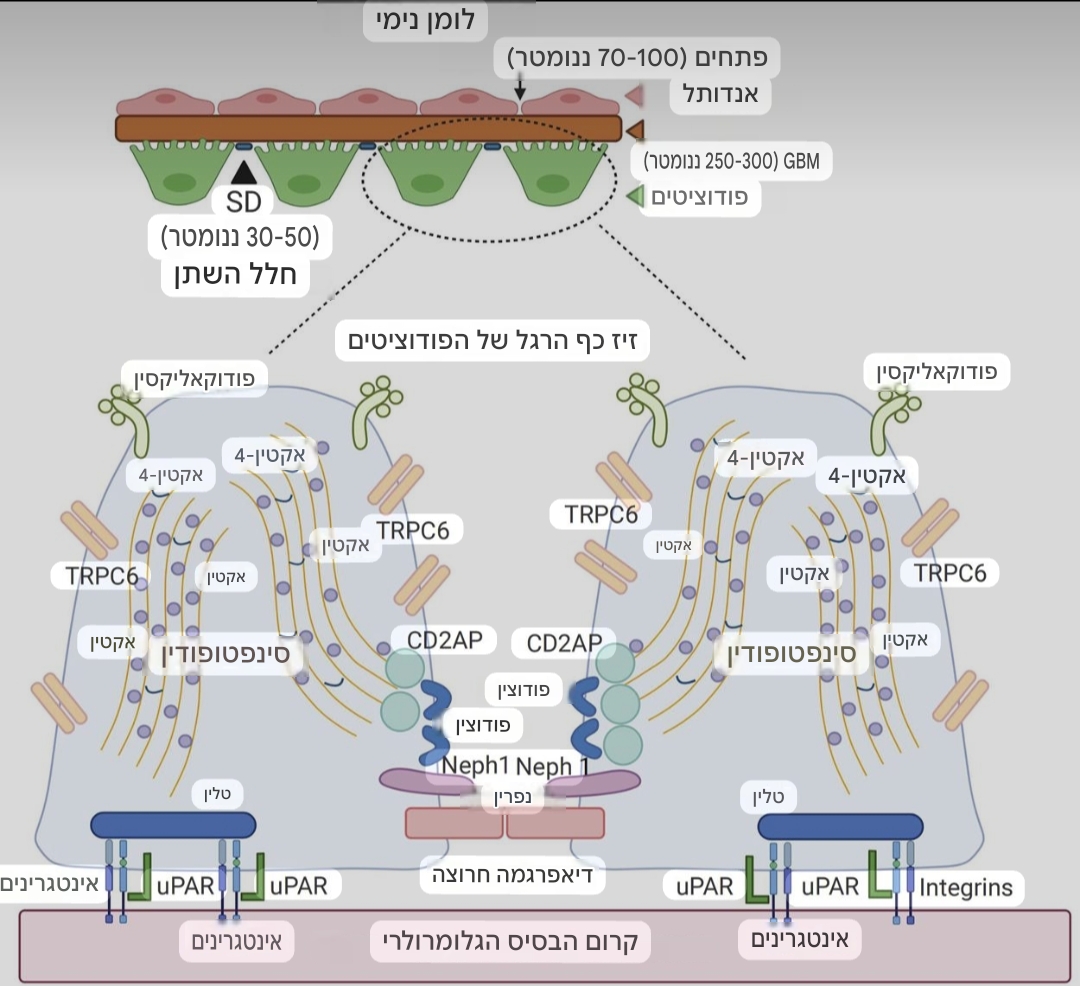
באיור למעלה מוצג מבנה מחסום הסינון הכלייתי (Glomerular Filtration Barrier), המורכב משלוש שכבות עיקריות בגלומרולוס: אנדותל קפילרי מנוקב (Fenestrated Endothelium), קרום הבסיס הגלומרולרי (GBM), ופודוציטים (Podocytes) עם שלוחות רגליים (Foot processes) היוצרות את חריצי הסינון (Slit diaphragm).בחלקו התחתון של האיור מתאר את המבנה המולקולרי של שלוחות הרגליים של הפודוציטים והחלבונים המרכיבים את ה-Slit diaphragm, ביניהם:• חלבונים מבניים וקישור: Nephrin, Neph1, Podocin, ו-CD2AP.• שלד התא (Cytoskeleton): סיבי אקטין (Actin) יחד עם חלבונים קושרי אקטין כמו Synaptopodin, Actin-4, ו-Talin.• תעלות וקולטנים: תעלות TRPC6, אינטגרינים (Integrins), וקולטני uPAR המעגנים את התא לקרום הבסיס.• מטענים חשמליים: Podocalyxin בצד הפונה לחלל השתן (Urinary space), המקנה מטען שלילי הדוחה חלבונים.
הפודוציט הוא תא בעל מבנה מורכב ודינמי, שהיכולת שלו לסנן באופן בררני תלויהבשלמותשלוחותיו ובארגוןשלדהתא. רשת סיבי האקטין ממלאת תפקיד מרכזי בשמירה על צורת השלוחות, ואילו המיקרוטובולים (צנרת זעירה) משתתפים בארגון התא ובהובלה התוך־תאית. כאשר האיזון בין מערכות אלה נפגע, שלוחות הפודוציט עלולות להשתטח ולהתארגן מחדש — תהליך המכונה foot process effacement. שינוי מבני זה עלול לפגוע במחסום הסינון הגלומרולרי ולהתבטא באלבומינוריה או בפרוטאינוריה. כך מתברר כיצד הפרעה ברמת החלבון והשלד התאי עשויה להגיע עד לביטוי קליני הניתן למדידה בשתן.
מראימקוםמחקריים: שני מקורות: Kawaguchi et al. (2003), The Kawaguchi et al. (2003), The deacetylase HDAC6 regulates aggresome formation and cell viability in response to misfolded protein stress, Cell, 115(6), 727–738. מחקר יסוד המראה ש־HDAC6 משתתף בזיהוי ובהובלה של חלבונים פגומים ובהיווצרות אגרגזומים. Liang et al. (2020), HDAC6-mediated α-tubulin deacetylation suppresses autophagy and enhances motility of podocytes in diabetic nephropathy, Journal of Cellular and Molecular Medicine, 24(19), 11558–11572. מחקר הרלוונטי במיוחד לחיבור בין HDAC6, שלד הפודוציט ואוטופגיה.
1.2 סטרסור חריף
סטרסור (Stress-or) הוא כל גורם שמפעיל דחק, סטרס ועקה. כשמדברים על "סטרסורחריף" ברמה התאית והפיזיולוגית, לא מדובר רק על משהו שבא מבחוץ (כמו מכה או רעל חיצוני), אלא על תגובת השרשרת שהתא מייצר בתוכו. עוד על כך בהערה למטה.
בעוד שרוב אנזימי ה-HDAC ממוקמים בגרעין, HDAC6 פועל בעיקר בציטופלזמה, ומשמש כווסת הראשי של שלד התא:
אצטילציה של אלפא-טובולין (Alpha-tubulin): כשהתא נחשף לסטרסורחריף – הצטברות מטבוליטים של תרופות (כמו סימבלתה/דולוקסטין במצב כלייתי ירוד), ציטוקינים דלקתיים או עקה חמצונית – ציר HDAC6 נכנס לאקטיבציית יתר ומסיר קבוצות אצטיל מהטובולין [מקור1, מקור2]:
קריסת זרועות הרגליים (Foot Processes): הפודוציטים (נושא שהוזכר למעלה, תאי הסינון הייחודיים בכליה) תלויים לחלוטין בגמישות ויציבות המיקרוטובולים. הפעלת היתר של HDAC6 גורמת למחיקת זרועות הרגליים (Foot process effacement), אובדן המחסום הסלקטיבי, וחדירת חלבונים לשתן (פרוטאינוריה) [מקור1, מקור2].
כשל בפינוי האשפה התאית: ציר HDAC6 אחראי גם על שינוע אגרסומות (גושי חלבון פגום) לליזוזום [מקור]. מחקר שפורסם ב־Journal of Biological Chemistry ב־2024 מדגים גם שהתרומה של ציר HDAC6–אגרגזום לתהליכים תאיים. HDAC6 משתתף בהובלת חלבונים שעברו יוביקוויטינציה אל האגרגזום, ובתהליכים הקשורים לפינוי שלהם באמצעות מערכת האוטופגיה והליזוזום [מקור]. היציאה של הציר מאיזון מקשה על יכולת הניקוי והאוטופגיה של התא. HDAC6 משתתף גם במערכת הטיפול בחלבונים פגומים: הוא מסייע בשינועם ובהתארגנותם באגרגזומים, הקשורים לפינוי באמצעות אוטופגיה. לכן, שינוי בפעילותו עשוי להשפיע לא רק על שלד התא, אלא גם על יכולתו להתמודד עם עומס של חלבונים פגומים. עם זאת, השפעתו על פינוי הפסולת התאית אינה אחידה בכל מצב, ויש לבחון אותה בהתאם לסוג התא ולתנאי העקה.
הערה: סטרסור (Stress-or) הוא כל גורם שמפעיל דחק, סטרס ועקה. הסטרסור הגדול וההרסני ביותר לתא מגיע מבפנים.
כשמדברים על "סטרסורחריף" ברמה התאית והפיזיולוגית, לא מדובר רק על משהו שבא מבחוץ (כמו מכה או רעל חיצוני), אלא על תגובת השרשרת שהתא מייצר בתוכו:
עקה חמצונית פנימית (Intracellular Oxidative Stress): כשהתא מתקשה לפנות מטבוליטים (למשל, בגלל ירידה בפינוי הכלייתי או הצטברות חומרים), המיטוכונדריות מתחילות "לזייף" ולייצר עודף של רדיקלים חופשיים (ROS). הלחץ הזה נולד ממש בתוך הציטופלזמה.
"חרדה תאית" ואי-שקט מטבולי: הציטופלזמה והרטיקולום האנדופלזמי (ER) נכנסים למצב של עקה (ER Stress). התא מרגיש שהוא מוצף, שאין לו חמצן, נוזלים זמינים או יכולת פינוי.
האזעקה של HDAC6: הלחץ הפנימי הזה פועל כמתג אזהרה חריף. התא מפעיל את HDAC6 כדי לנסות להתגונן ולשנות סדרי עדיפויות, אבל באקטיבציית-יתר האזעקה הזו הופכת להרסנית – היא מפרקת את האלפא-טובולין ומטמוטטת את שלד הפודוציט מבפנים4. התרופות כסטרסור פנימי עוצמתי
תרופות סינתטיות רבות – בעיקר כאלו המפונות דרך הכליות – הופכות במצב של אי-ספיקה כלייתית מטיפול סימפטומטי לסטרסור פנימי חריף. הצטברות התרופה ומטבוליטיה בתוך הציטופלזמה מציפה את התא, מחוללת עקה חמצונית (ROS) ומפעילה אקטיבית את ציר HDAC6. הפעלה זו מפרקת את האלפא-טובולין, שומטת את זרועות הפודוציטים ומאיצה תהליכי פיברוזיס.
1.3 המלכוד הכימי: המקרה של סימבלתה (Cymbalta / דולוקסטין)
דוגמהמובהקתלסטרסורפולשני מגיעה ממתן תרופות סינתטיות בעלות פינוי כלייתי מעוכב, כדוגמת סימבלתה (דולוקסטין) במינון של 30 מ"ג. מדובר בכדור כוחני ויעיל סימפטומטית לטווח הקצר, אך כזה שמשלמים עליו מחיר מטבולי ותאי כבד מנשוא:
פינוי כלייתי פגוע: דולוקסטין עוברת מטבוליזם בכבד, אך תוצריה המטבוליים מפונים דרך השתן. בחולי כליה כרוניים (במיוחד בעלי eGFR נמוך מ-30), פינוי התרופה והמטבוליטים הפעילים מעוכב קשות, והם מצטברים בריכוזים רעילים בדם וברקמה הכלייתית.
חנק תאי והידוק כספת ה-HDAC: הצטברות זו מהווה סטרסור חריף ומתמשך. תאי הסינון הנחנקים מפרשים את הלחץ הכימי כמתקפה, נכנסים ל"חרדה תאית", משביתים את מערכת ה-HAT ומפעילים אקטיבית את אנזימי ה-HDAC (במיוחד Class I ו-HDAC6). אלו נועלים את כספת הגנום ומבילים להצטלקות (פיברוזיס) חסרת רחמים.
מראה מקום מחקרי:
Perazella, M. A. (2018). Drug-induced acute kidney injury: diverse mechanisms of tubular somatic and podocyte toxicity.Nature Reviews Nephrology, 14(4), 215-227.
1.4 כשל במנגנון פינוי האשפה התאית (Autophagy and Aggresome Clearance)
מעבר לייצוב השלד, ציר HDAC6 מקשר בין חלבונים פגומים מקופלים-לא-נכון (Misfolded proteins) לבין המערכת הליזוזומלית דרך הגוף האגרסומלי (Aggresome).
בעקת-יתר מתמשכת, הפעלת HDAC6 שאינה מבוקרת משבשת את האוטופגיה (הניקוי העצמי התאי).
Kawaguchi, Y., et al. (2003). The deacetylase HDAC6 regulates aggresome formation and cell viability in response to misfolded protein stress.Cell, 115(6), 727-738.
1.5 התרופות כסטרסור פנימי עוצמתי
חמש דוגמאות קליניות מרכזיות:
ככל שהחומר המובא להלן חשוב, יש לתת את הדעת שקשה להגיע אליו בשל חסמים רבים מצד גורמים בעלי אינטרס, וגם בשל מחסור במחקר יתכן, לכאורה מאותה סיבה. מכל מקום עיקר המידע מבוסס על מחקר ועל תצפיות קליניות. ובכל זאת נושא זה ראוי להיחקר שוב.
תרופותסינתטיות – בעיקר כאלו המפונות דרך הכליות – הופכות במצב של אי-ספיקה כלייתית מטיפול סימפטומטי לסטרסור פנימי חריף. הצטברות התרופה ומטבוליטיה בתוךהציטופלזמה מציפה את התא, מחוללת עקה חמצונית (ROS) ומפעילה אקטיבית את ציר HDAC6:
מעכבי ספיגה חוזרת של סרוטונין ונוראדרנלין (SNRI / כמו דולוקסטין – Cymbalta): ניתנות לעיתים קרובות לטיפול בכאב נוירופתי או חרדה. במצב של תפקוד כלייתי ירוד, פינוי המטבוליטים הפעילים מעוכב קשות. הצטברותם ברקמה הכלייתית מהווה סטרסור ציטופלזמתי ישיר, שמפעיל בעוצמה את צירHDAC6וגורםלקריסתשלדהפודוציטים. מגביר חדירות חלבון לשתן (פרוטאינוריה) וגורם לחרדה תאית חריפה. בנוסף, העלייה בטון הנוראדרנרגי מעוררת כיווץ כלי דם כלייתיים, ומייצרת מעגל קסמים של חרדה תאית היקפית המעמיקה את הנזק וההצטלקות [מקור].
נוגדי דלקת שאינם סטרואידים (NSAIDs / כמו איבופרופן, נפרוקסן ודיקלופנק): חוסמים את אנזימי ה-COX ומפחיתים ייצור פרוסטגלנדינים המרחיבים את עורקית המבוא (Afferent arteriole) בכליה. מעבר לפגיעה ההמודינמית הישירה, התרופות הללו יוצרות עקה חמצונית פנימית בתאי הצינוריות והפודוציטים, המאיצה את נעילת הכרומטין וההצטלקות.
אנטיביוטיקות מעכבות/רעילות לכליה (כמו גנטמיצין או ונקומיצין): מצטברות בתוך הליזוזומים והאבוביות הכלייתיות (Tubular epithelial cells), גורמות לקרע ליזוזומלי, פוגעות במנגנון האוטופגיה של התא, ומפעילות בעוצמה את צירי ה-HDAC הציטופלזמטיים והגרעיניים המובילים לאפופטוזיס (מות התא).
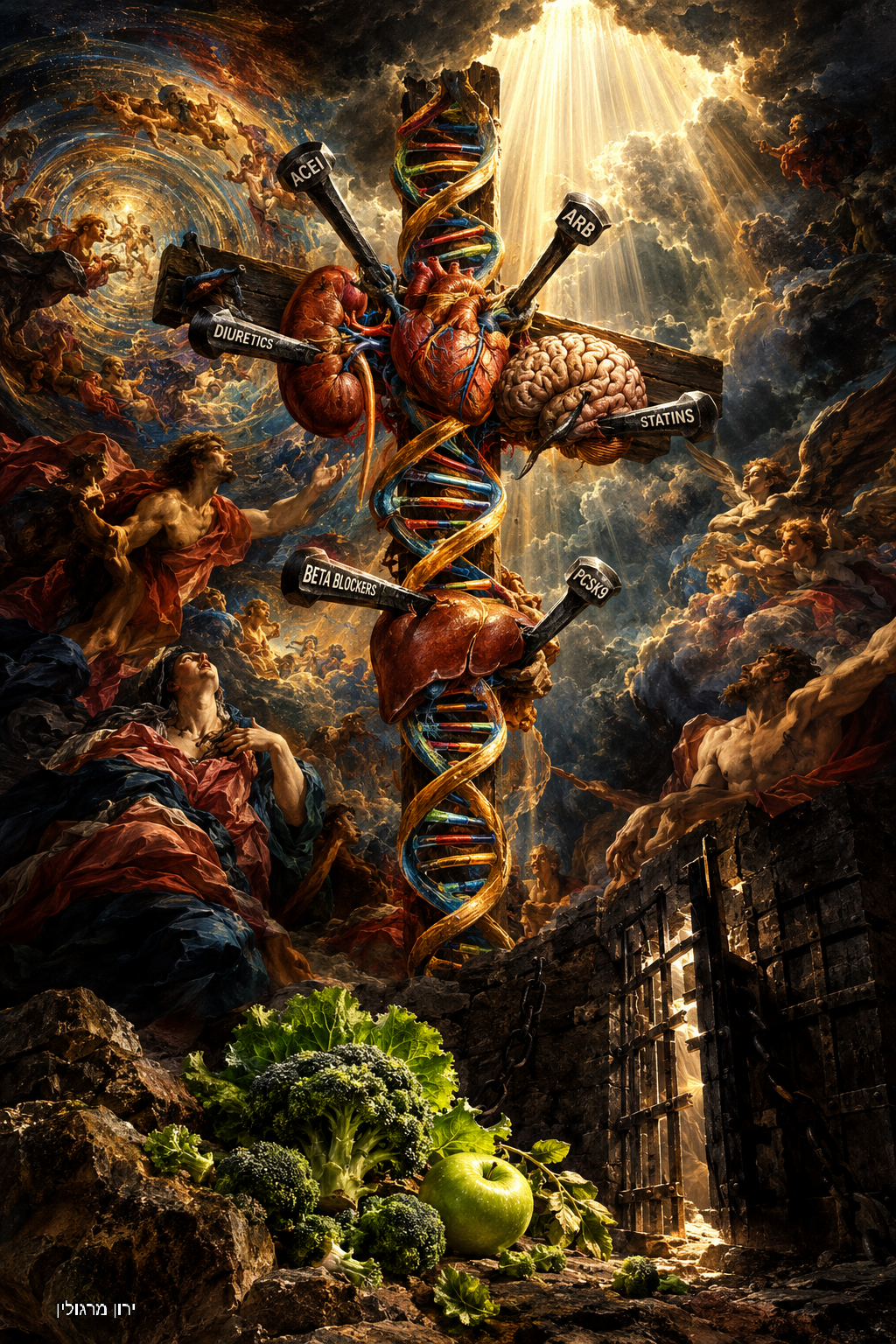
תרופותלהורדתלחץדםבמינון יתר או שילובים אגרסיביים: שימוש לא מבוקר בתרופותהחוסמות את ציררנין-אנגיוטנסין (ACEi / ARB) או משתנים חריפים במצבי התייבשות, יוצר ירידה דרסטית בלחץ הסינון הגלומרולרי (cGFR), מעביר את תאי הסינון לעקת היפוקסיה פנימית ומפעיל צירי דלקת אפיגנטיים.
הצטברות התרופה ומטבוליטיה בתוךהציטופלזמה מציפה את התא, מחוללת עקה חמצונית (ROS) ועקת רטיקולום אנדופלזמי (ER Stress), ומפעילה אקטיבית את ציר HDAC6. הפעלה זו מסירה אצטיל מאלפא-טובולין, מפרקת את המיקרוטובולים בשלד התא, שומטת את זרועות הפודוציטים ומאיצה תהליכי פיברוזיס.
מראה מקום מחקרי:
Kawaguchi, Y., et al. (2003). The deacetylase HDAC6 regulates aggresome formation and cell viability in response to misfolded protein stress.Cell, 115(6), 727-738.
Perazella, M. A. (2018). Drug-induced acute kidney injury: diverse mechanisms of tubular somatic and podocyte toxicity.Nature Reviews Nephrology, 14(4), 215-227.
Ma, F. Y., et al. (2015). TGF-beta1-induced mitochondrial ROS promote renal tubular epithelial cell apoptosis through HDAC activation.American Journal of Physiology-Renal Physiology, 308(9), F1024-F1034.
פרק 2: ערפל בטרקלין – הפגיעה בציר כליה-כבד-לב-מוח
ההשפעה של סטרסור כימי כדוגמת הסימבלתה אינה נעצרת בכליה, אלא משבשת את השפה הפיזיולוגית של הטרקלין הרב-איברי כולו:
רעש מערכתי וערעור הוואגוס: כמעכבת ספיגה חוזרת של נוראדרנלין (SNRI), התרופה מעלה את הטון הסימפתטי, מייצרת תנודתיות בלחץ הדם, פוגעת במדד ה-HRV (שונות קצב הלב), ומשתקת את "בלם היד" התבוני והמרגיע של עצב הוואגוס.
ערפל בטרקלין המוח: הערפל התודעתי (Brain Fog) במקום לנקות את הנהר המטבולי שהצפין אל המוח (זרם הדם הצפוני), הסימבלטה (Cymbalta, או בשמה הגנרי דולוקסטין – Duloxetine). משנהבאופן מלאכותיאתהכימיהבטרקליןהמרכזי כפי שפגשנו אותו בסקירה המפורסמת של פרופ' ג'ואנה מונקריף מ-UCL [מקור]. מחקרים אלו קוראים תיגר על "תאוריית החוסר הכימי" הפשטנית, וטוענים כי שימוש ממושך בתרופות משנה את הארכיטקטורה של המוח ומייצר תלות, במקום לטפל בשורש הבעיה (כמו סטרס כרוני, דלקתיות כלל-גופנית או תזונה) [מקור1, מקור2, מקור3, מקור4]. במקום לפתור את השורש המטבולי של הבעיה, הכדור משנה את האיזון הכימי במוח; הוא אמנם מרגיע דלקת עצבית (Neuroinflammation) ומעלה את פקטור הצמיחה (BDNF), אך המחיר עבור מטופלים רבים הוא היווצרות של ערפל תודעתי ופגיעה קוגניטיבית תחת מעטה של הרגעת כאב.
מראה מקום מחקרי:
Carnevale, D., et al. (2016). The neuro-splenic axis couples sympathetic stimulation to immune response in hypertension.Science Translational Medicine, 8(360), 360ra137.
פרק 3: ה"ברקס" הצמחי, מתיל ופרוטוקול המיץ הירוק המאוזן
מחקרים קליניים מראים כי תרופות סינתטיות לעיכוב גורף של אנזימי ה-HDAC (כמו Vorinostat או Panobinostat) סובלות מ"חלון תרפויטי צר" ומרעילות גבוהה. בשל היותן מעכבות לא-סלקטיביות (Pan-HDAC inhibitors), הן משתיקות או מפעילות גנים בצורה ברוטלית, מה שמוביל לפגיעה חמורה בחלוקת תאים תקינה ולתופעות לוואי מטבוליות ולבביות קשות.
כנגד התוקפנות הכימית והכשל של מעכבי ה-HDAC המלאכותיים, עומדת הרגולציה העדינה והמווסתת מהטבע. תפיסה זו כבר אינה שנויה במחלוקת: הקהילה המדעית מאשרת כיום כי רכיבים תזונתיים ופיטו-נוטריאנטים מעניקים מענה מדויק ומאוזן, תומכים במניעה ובבריאות תאית ארוכת טווח, ואינם פוגעים בתאים הבריאים. הנה מה שהמחקרים מוכיחים:
1. הכשל והרעילות של מעכבי HDAC סינתטיים (Pan-HDAC Inhibitors)
תרופות סינתטיות כמו Vorinostat (סולינזה) או Panobinostat הן מעכבי HDAC לא-סלקטיביים.
הרעילות שלהן גבוהה: מחקרים קליניים מראים שלמרות יעילותן בסרטני דם מסוימים, הן סובלות מ"חלון תרפויטי צר" מאוד. הרעילות שלהן גבוהה משום שהן משתיקות או מפעילות גנים בצורה גורפת, מה שמוביל לפגיעה קשה בחלוקת תאים תקינה (כמו תאי דם לבנים וטסיות) ולתופעות לוואי לבביות ומטבוליות.
כאן נמצא היתרון הגדול של חומרי הטבע. בניגוד לתרופות שחוסמות את האנזים לחלוטין, חומרים מהצומח פועלים כמעכבים תחרותיים חלשים או משנים את ביטוי ה-HDAC באופן עקיף ומאוזן.
סולפוראפאן (Sulforaphane): נמצא בריכוז גבוה בנבטי ברוקולי. מחקרים מראים שהוא מעכב ספציפית את HDAC מעמד 1 ו-2 (במיוחד HDAC3). הוא גורם להיפר-אצטילציה של היסטונים, מה שמפעיל גנים מדכאי סרטן (כמו p21) ובו-זמנית מפעיל את נתיב ה-NRF2 לנוגדי חמצון. הכל ללא פגיעה בתאים בריאים [מקור1, מקור2, מקור3].
בוטיראט (Butyrate): חומצת שומן קצרת שרשרת שנוצרת מתסיסת סיבים במעי. מחקרים מוכיחים שהיא פועלת כמעכב HDAC טבעי ועוצמתי במעי הגס, תומכת באפופטוזיס של תאים סרטניים ומגנה על תאי האפיתל התקינים.
קוורצטין (Quercetin) וכורכומין (Curcumin): שניהם הראו במחקרים יכולת לווסת פעילות אפיגנטית (הן של HDAC והן של HAT) בצורה מתונה, שמונעת דלקת כרונית מבלי לשבש את מחזור התא התקין.
המטרה הקלינית היא להעניק "ברקס" ממוקד לציר HDAC6 הציטופלזמתי ולמאזן האצטילציה/מתילציה, מבלי לרסק את הקוד הגנטי בגרעין:
אספקת קבוצות מתיל ופיטו-נוטריאנטים: פרוטוקול המיץ הירוק המאוזן – המבוסס על עלים וירקות דלי אשלגן (חסה, גבעולי סלרי, כרוב, ברוקולי, קולרבי) לצד אוכמניות, עלי צבר צעירים, קמח קליפות רימונים, כורכום+פלפל שחור, קמח זרעי חרדל ומאצ'ה – מעניק לתא את הכלים הביוכימיים הנחוצים לשיקום [מקור].
החזרת ההומאוסטזיס: הפרוטוקול מחזיר את האוראה, הזרחן והאשלגן לנורמה, מנקה את הנהר המטבולי, מוריד את העקה החמצונית (ROS) מהמיטוכונדריות, ומאפשר לפודוציטים ולתאי הצינוריות לשקם את שלד הטובולין ולהחזיר את ה-Conatus – שאיפת האורגניזם להתמיד בהווייתו ובחיוניותו.
התזונה והפיטו–נוטריאנטים אינם פועלים כפטיש כימי אלים, אלא כרשת של אותותעדינים המדברים ישירות עם שפת האיתות התאית. הם עשויים לשנות את הסביבה המטבולית ואת תנאי הפעולה של מנגנוני הבקרה, ובכך לתמוך ביכולתו של התא לווסת מחדש את סביבתו הציטופלזמתית ולהתמודד עם העומס. במקרים רבים שמתי לב שהם משנים את הסביבה המטבולית ומאפשרים למולקולות הרגולציה של התא להחזיר את האיזון הציטופלזמתי על כנו [מקור1, מקור2, מקור3, מקור4].
גשר לחלק ג': מנהיגות ה-RNA והאינטליגנציה התאית
הדינמיקה של החירות התאית
השיחה עם זהבהקלוגר פתחה בפניי חלון אל שכבה נוספת של הביולוגיה: עולם ה־RNA.
במשך שנים רבות למדנו את הרצף DNA← RNA ← חלבון, ולעיתים נדמה היה שה־RNA הוא בעיקר שליח, המעביר את המידע מן הגנום אל מפעל החלבונים. אבל התמונה רחבה בהרבה. סוגים שונים של RNA משתתפים בוויסות ביטוי הגנים, בארגון הכרומטין, בבקרת יציבותם של תעתיקים ובתגובה לאותות מן הסביבה התאית.
כאן מתחילה להתבהר מטפורה חדשה: ה־RNA אינו רק שליח בתזמורת הביולוגית. במצבים מסוימים הוא גם רכיב בוויסות, בתיאום ובשינוי דפוסי הפעולה שלה. הוא אינו פועל לבדו, אך הוא עשוי להשפיע על האופן שבו רכיבים אחרים פועלים יחד.
אם כך, לצד הדיאלוג בין HAT ל־HDAC, ולצד התפקידים של HDAC6 בציטופלזמה ובשלד התא, נפתח מרחב נוסף של שאלות: כיצד התא קולט את השינויים המתחוללים בו? כיצד הוא משלב מידע? וכיצד מתורגמים אותות מטבוליים לשינויים בביטוי הגנים ובפעילות התא?
אני מבקש לחקור את השאלות האלה במסגרת רפואת הרשתות המתפתחת. לא לראות בתא מכונה קשיחה, שכל פעולותיה נקבעו מראש, אלא מערכת חיה שבה חישה, ויסות, משוב והסתגלות משתלבים זה בזה.
אפשר לכנות זאת, בזהירות, אינטליגנציה תאית: לא חשיבה אנושית, אלא היכולת של מערכת ביולוגית לקלוט אותות, לשלב מידע ולשנות את פעולתה בהתאם לנסיבות.
מכאן נפתחת גם שאלה הנוגעת לכליה: האם הבנת רשתות הבקרה הללו תאפשר לנו לזהות טוב יותר את התנאים שבהם תאי הכליה יכולים לשמר את תפקודם, להתמודד עם עקה ולגייס מנגנוני תיקון? זו אינה תשובה שכבר בידינו, אלא שאלה מדעית הראויה למחקר.
לעיתים, כדי להתקדם ברפואה, אין די לגלות חומר נוסף או אנזים נוסף. צריך לשנות את נקודת המבט על המערכת כולה.
ה-RNA מתגלה כמנצח אקטיבי בעל מנהיגות תאית עצמאית: הוא חש את הסטרסור המטבולי בציטופלזמה ←, מגייס בעצמו קומפלקסים אפיגנטיים (כמו lncRNA), ומחליט באופן דינמי ואוטונומי ← אילו שערים בגנום ייפתחו ואילו יינעלו.
זווית חדשנית זו של רפואת הרשתות היא זווית חדשה שעשויה להוות מפתח בעל משמעות עצומה להבנת החירות והשיקום התאי.
בבקשה לא להתקשר משום שזה פשוט לא מאפשר לי לעבוד – אנא השתמשו באמצעים שלפניכם
למען הסר ספק, חובת התייעצות עם רופא (המכיר לפרטים את מצבו הבריאותי הכללי של כל מטופל או שלך) לפני שימוש בכל תכשיר, מאכל, תמצית או ביצוע כל תרגיל. ירון מרגולין הוא רקדן ומבית המחול שלו בירושלים פרצה התורה כאשר נחשפה שיטת המחול שלו כבעלת יכולת מדהימה, באמצע שנות ה – 80 לרפא סרטן. המידע באתר של ירון מרגולין או באתר "לחיצות ההחלמה" (בפיסבוק או YARONMARGOLIN.COM ), במאמר הנ"ל ובמאמרים של ירון מרגולין הם חומר למחשבה – פילוסופיה לא המלצה ולא הנחייה לציבור להשתמש או לחדול מלהשתמש בתרופות – אין במידע באתר זה או בכל אחד מהמאמרים תחליף להיוועצות עם מומחה מוכר המכיר לפרטים את מצבו הבריאותי הכללי שלך ושל משפחתך. מומלץ תמיד להתייעץ עם רופא מוסמך או רוקח בכל הנוגע בכאב, הרגשה רעה או למטרות ואופן השימוש, במזונות, משחות, תמציות ואפילו בתרגילים, או בתכשירים אחרים שנזכרים כאן.
For the avoidance of doubt, consult a physician (who knows in detail the general health of each patient or yours) before using any medicine, food, extract or any exercise. The information on Yaron Margolin's website or the "Healing Presses" website (on Facebook or YARONMARGOLIN.COM), in the above article and in Yaron Margolin's articles are material for thought – philosophy neither recommendation nor public guidance to use or cease to use drugs – no information on this site or anyone You should always consult with a qualified physician or pharmacist regarding pain, bad feeling, or goals and how to use foods, ointments, extracts and even exercises, or other remedies that are mentioned as such
בתא בריא, ה-DNA הוא כמו ספרייה ענקית: הספרים סגורים על המדפים (מוגנים ודחוסים). אם התא צריך להשתמש בגן מסוים, במידי הספציפי שנמצא שם, הוא פשוט משחרר קצת את החוט מהסליל, פותח את המרווח, ואז הוא יכול "לקרוא" אותו. כך, רק הספר שצריך לקרוא ברגע זה ממש פתוח על השולחן, בדף הנכון ובפסקה הנדרשת.
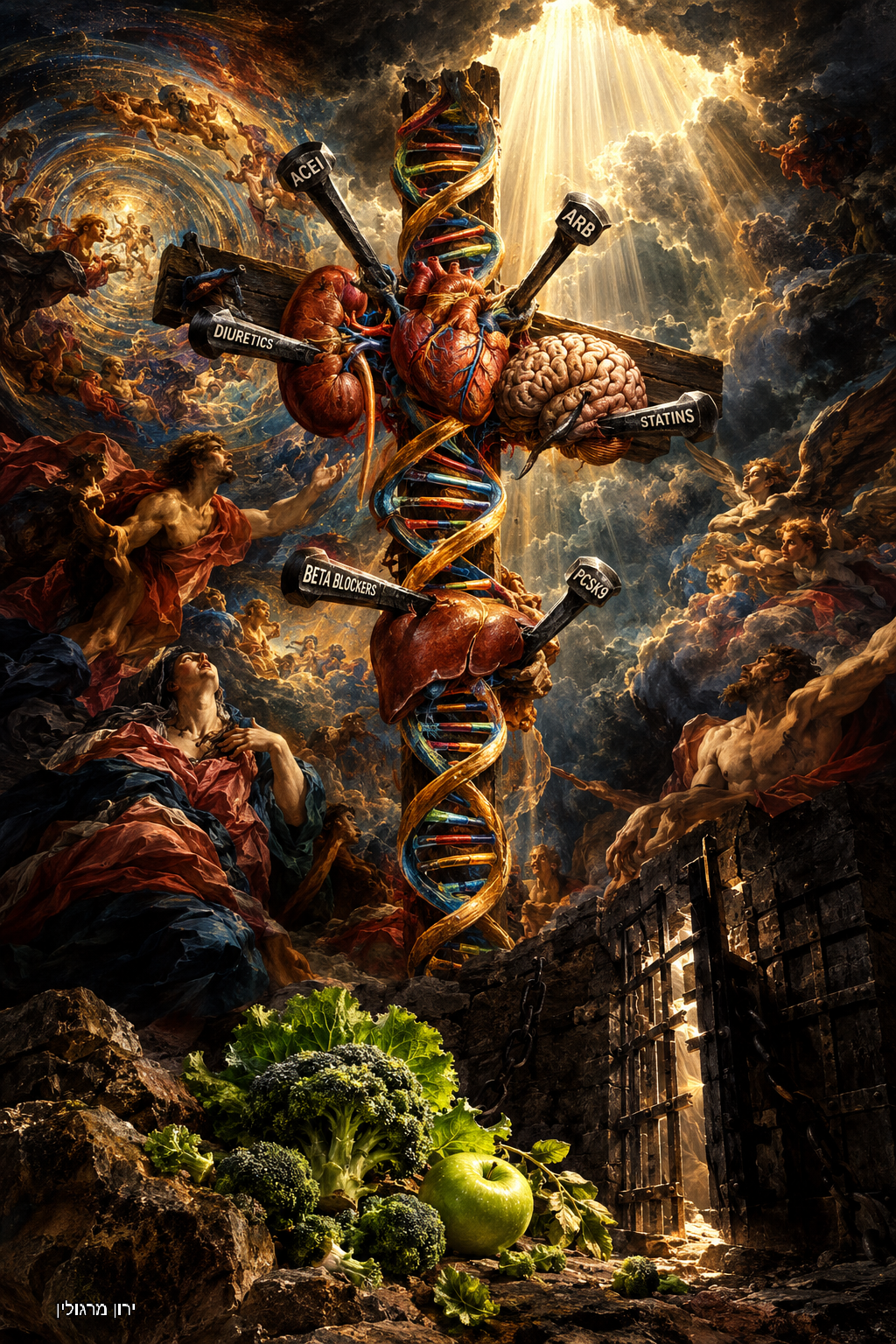
כיצד סטרסור כימי ותרופות כמו סימבלתה מפעילים את ציר HDAC6, מפרקים את שלד הפודוציט ומעמיקים פיברוזיס כלייתי? חלק ב' בסדרה מציג את ה"ברקס" הצמחי והמיץ הירוק מול הכשל של הכימיה. ירון מרגולין
מבט אפיגנטי על ציר האיברים. כיצד התנהלות האדם ותרופות כוחניות משביתות את ה-HAT ומאלצות את אנזימי ה-HDAC לנעול 🔒את הגנום, ופרוטוקול חומרים צנועים שמשיב לגוף את השקט.
יש בגוף ספר שאיננו רואים. הוא איננו מונח על מדף ואין לו כריכה. הוא כתוב בתוך כל אחד מתאי הגוף, באותה שפה עתיקה ומדויקת שממנה נבנה האדם.
יצירת מופת משלב מוקדם בקריירה של הצייר הגאון בן תקופת הרנסאנס טינטורטו (Jacopo Tintoretto), 1540–1546. Christ Among the Doctors / Christ Disputing in the Temple).
זהו ה-DNA.
בתוכו נמצאות הוראות – לא רק כיצד לבנות תא, אלא גם כיצד לתחזק אותו, להגיב לנזק, להתמודד עם עקה, לנקות, לפנות, לתקן ולהשתנות.
ואז עולה השאלה הפשוטה: אם ההוראות נמצאות שם – מדוע לפעמים הגוף אינו משתמש בהן?
ייתכן שהספר לא אבד ולא נקרע. הוא עדיין שם, שלם – אבל סגור.
על רקע אולם שיש יווני עתיק שטוף אור שמש רך, עומדת אספסיה הפילוסופית הראשונה, אישה מדהימה, שיערה נע קלות ברוח. לפניה יושב אפלטון, מביט בה בריכוז ובהערצה. בידה העדינה של אספסיה – המורה הגדולה של סוקרטס לפיתוח מחשבה, אחוזה מגילת קלף עתיקה, אך במרכזה, באופן סוריאליסטי ומרהיב, מוטבע צ'יפ סיליקון זעיר ועתידני, הזוהר באור כחול ומולקולרי עדין. מהצ'יפ המולקולרי הזה נפלטות אל החלל שורות קוד זוהרות וחלקיקי אור בדמות סליל DNA כפול, המרחפים בעדינות סביבם ומאירים את פניהם ממתין להנחות את האדם לחיים טובים באמת. צייר ירון מרגולין
הביולוגיה מכירה מנגנונים המשנים את מידת הנגישות ל-DNA. אחד מהם הוא משפחת האנזימים HDAC – Histone Deacetylases (היסטון דאצטילאזות).
אנזימים אלה מסירים ✂️ קבוצות אצטיל מחלבוני היסטון ומחלבונים נוספים. כתוצאה מכך הכרומטין נדחס, הנגישות לגנים נחסמת וביטוי גנים מסוימים מדוכא [מקור1, מקור2].
נדמיין לרגע חוט תפירה באורך של 2 קילומטר. המטרה שלנו: להכניס את כל החוט הענק הזה לתוך קופסת גפרורים קטנה, אבל בלי שהוא יסתבך בקשרים, ושאפשר יהיה למשוך בכל רגע בדיוק את החלק שנדרש לנו.
אם נדחוס אותו פנימה, החוט ככל הנראה יהפוך לגוש קשרים בלתי זמין. הפתרון הביולוגי: הטבע לוקח סלילים קטנים מעץ (כמו סלילי חוטים של תופרות 🧵), ומלפף את החוט סביבם.
הנה התרגום הפשוט של מה שקורה בתא:
החוט הארוך = ה-DNA (החומר הגנטי שלנו, מכונה הספר במאמרי "מסלולי ההחלמה הביולוגיים שפועלים בגוף האדם" [מקור]).
סלילי העץ הקטנים = הנקראים היסטונים 🧵(חלבונים עגולים) [מקור].
סליל אחד עם חוט עליו = נוקלאוזום (היחידה הבסיסית) 🧵.
כל ארגז הסלילים מתלכד ומאורגן ביחד: נוקלאוזום מונח ליד נוקלאוזום, כמו זר פרחים צפוף, כך שכל הסלילים המאורגנים כנוקלאוזום עכשיו מלוכדים ונמצאים ביחד = כרומטין.
אז מה קורה שם בפועל? מי הוא החוט (ה-DNA) הארוך בטירוף, שהתא מלפף אותו סביב המון סלילי עץ קטנים (היסטונים)?
בתא בריא, ה-DNA הוא כמו ספרייה ענקית: הספרים סגורים על המדפים (מוגנים ודחוסים). אם התא צריך להשתמש בגן מסוים, במידי הספציפי שנמצא שם, הוא פשוט משחרר קצת את החוט מהסליל, פותח את המרווח, ואז הוא יכול "לקרוא" אותו. כך, רק הספר שצריך לקרוא ברגע זה ממש פתוח על השולחן, בדף הנכון ובפסקה הנדרשת. נושא זה יכול להציל חיי אדם.
החוט הראשון הזה הוא ה-DNA – ספר ההוראות הענק של הגוף, שמכיל את כל הפקודות הכי חשובות שעולות על הדעת להישרדות, בניה, והחלמה של גוף האדם: איך לבנות תא מחדש, איך להילחם בווירוסים, ואיך לתקן נזקים כדי לשרוד.
הסליל הזה ה DNA לא תמיד זמין. הוא נושא מאמרי. הוא נושא את המידע שלנו, אך הוא גם פתוח 🔓 ונגיש וגם סגור בו-זמנית, בהתאם למצב הכללי שבו נמצא הגוף. דווקא כשהגוף חולה ונזקק לו ביותר, ה-DNA בדרך כלל סגור, ופתיחתו ברגע זה היא גורלית:
הוא סגור: רוב הזמן, רוב חלקי החוט ארוזים ומלופפים חזק מאוד (בתוך "זר הפרחים" הצפוף שדיברנו עליו). הגוף שומר עליהם נעולים 🔒 כדי שהם לא ייהרסו וכדי שהתא לא יתבלבל מרוב מידע. המידע עצום.
הוא פתוח: רק כשקורה משהו ספציפי – למשל, פולש זר (חיידק) נכנס לגוף, כשהכליה חשה שמפלס הנהר, זרם הדם אליה יורד [מקור1, מקור2] – התא הולך כבדרך קסם, בדיוק למקום בחוט שמכיל את הוראות המלחמה, וההפעלה הנדרשות. הוא פותח 🔓 ומשחרר רק את המקטע הקטן הזה, קורא את ההנחיות, ומיידסוגר אותו חזרה 🔒.
לסיכום: בתא בריא, ה-DNA הוא כמו ספרייה ענקית: הספרים סגורים על המדפים (מוגנים ודחוסים). אם התא צריך להשתמש בגן מסוים, במידי הספציפי שנמצא שם, הוא פשוט משחרר קצת את החוט מהסליל, פותח את המרווח, ואז הוא יכול "לקרוא" אותו. כך, רק הספר שצריך לקרוא ברגע זה ממש פתוח על השולחן, בדף הנכון ובפסקה הנדרשת.
כדי לדייק את הבנת פעולתם, נלך בעקבות המשל על זר הפרחים: ה-DNA הוא החוט, לא חוט חופשי, אלא כחוט הכרוך סביב חלבונים הנקראים היסטונים [מקור]. ה-DNA, הטעון במטען חשמלי שלילי, נמשך להיסטונים הטעונים במטען חיובי ומלופף סביבם. – השינויים הכימיים בהם קובעים אילו גנים יהיו נגישים לקריאה ואילו יישארו מושתקים.
נחזור לנקודה בה עצרנו למעלה:
הביולוגיה פתחה מנגנונים שמאפשרים או מונעים את מידת הנגישות ל-DNA. אחד ממנגנונים אלו הם אנזימים. משפחת האנזימים HDAC – Histone Deacetylases (היסטון דאצטילאזות). כאשר קבוצות אצטיל מתווספות להיסטונים (פעולת אנזימי HAT – Histone Acetyltransferases), הכרומטין נפתח ונגיש. כאשר אנזימי HDAC מסירים ✂️ את האצטיל – הכרומטין נדחס והדלת נסגרת🔒.
המידע קיים, אך הגוף אינו יכול לגשת להוראות התיקון – ניקוי רעלים, שיקום מיטוכונדריה או בנייה מחדש של רקמה [מקור].
ארבע המחלקות של אנזימי –HDAC (הסוגרים)
המדע מחלק את משפחת אנזימי ה-HDAC שנועלים את הדלת 🔒לארבע קבוצות עיקריות המובחנות במבנה שלהן ובתפקידן הביולוגי:
HDAC מחלקה I (Class I) – כוללים את האנזימים HDAC, 2, 3 ו-8. הם נמצאים בעיקר בגרעיןהתא, פעילים כמעט בכל סוגי הרקמות, וממלאים תפקיד מרכזי בהישרדות תאית ובחלוקת התאים. קבוצה זו רגישה מאוד לעיכוב על ידי חומצות שומן כמו בוטיראט (תפוח אדמה חי). כלומר בוטיראט עוצר את הגורמים שנועלים את הדלת, מאפשר לפתוח 🔓 את החומר הגנטי הנעול בכספת 🔒 ולקדם הוראות להחלמה נדרשות.
HDAC מחלקה II (Class II) – מחולקים לתת-מחלקות IIa ו-IIb (כוללים את HDAC4, 5, 6, 7, 9, ו 10). אנזימים אלו מסוגלים לנוע בין גרעין התא לציטופלזמה 🌊, והם מעורבים בבקרה על התמחות רקמות, תפקוד שרירים ותגובה לסטרס מטבולי. יחד עם זאת, HDAC6 הוא החריג הבולט:האנזיםהיחיד עם שני אתרים פעילים נפרדים ("דו-ראשי"), פועל כמעט רקבציטופלזמה 🌊, והיעדהמרכזישלו אינו ה-DNA אלא α-tubulin 🎯 (שלד התא) הוא החלבון $\alpha$-tubulin המרכיב את שלד התא . בנוסף, HDAC6 מצויד בזרוע ייחודית לקשירת חלבונים פגומים 🔗, מה שמציב אותו כ"משאית הזבל" והמנקה הראשי 🧹 של התא מפני הצטברות משקעים רעילים [מקור1, מקור2, מקור3]. חשיבותו להחלמה רבה [מקור1, מקור2, מקור3], ועל כך בהמשך.
HDAC מחלקה III (Sirtuins): SIRT1–7, תלויים לחלוטין במולקולת האנרגיה NAD⁺. נחשבים לשומרי סף של אריכותימים שכן הם אחראים על תיקון DNA, .🛠️ויסות מטבוליזם ואוטופגיה 🧹 – תיקון
קמח זרעי ענבים (רסברטרול 🍇, גם כוסמת ירוקה 💚) מפעיל את הנודע בהם SIRT1 [מקור] ובולט בערכת אריכות חיים בריאה ובהפעלת מסלולי החלמה (לונג'ביטי) [מקור].
HDAC מחלקה IV (Class IV) – כוללים אנזים יחיד ומבודד (HDAC11) שנמצא בגרעין ובציטופלזמה, ופעיל בעיקר בוויסות של תאי מערכת החיסון והדלקת – היסטוןדאאצטילאז11 (HDAC11). אולם לגבי HDAC11 עצמו, המדע עדיין לא מעניק לנו מידע מגובש שמאפשר לומר בפשטות שחומר מזון מסוים "מכבה" אותו [מקור1, מקור2] ומאפשר נגישות נדרשת אל סודות ההחלמה הביולוגיים והפעלה מיטבית של מערכת החיסון.
HDAC11 הוא האנזים היחיד במשפחת Class IV, והוא אנזים תלוי־אבץ. המחקר המודרני מראה שהוא בעל פעילות חזקה במיוחד כ־de-fatty-acylase — מדובר בתגלית חדשה (De-fatty-acylase). בעבר חשבו שכל ה-HDACs רק מסירים קבוצות אצטיל מחלבונים (כדי "לסגור" את ה-DNA ולמנוע ביטוי גנים). המחקרים האחרונים הראו ש-HDAC11 גרוע מאוד בהסרת ✂️ אצטיל מקבוצת ליזין, אבל יעיל להפליא בהסרת ✂️ קבוצות שומן ארוכות (כמו קבוצות מיריסטויל המצויהבשמןקוקוסאושמןאגוזמוסקט ופלמיטויל המצויה בשמן דקלים) מחלבונים [מקור] (כמו החלבון האפיגנטי BRD2 או חלבון העיגון Gravin-α [מקור]). הסרה ✂️ זו "מכבה" ❌ את היכולת של התא להפעיל מסלולים מטבוליים שורפי אנרגיה. תפקיד זה קשור, אם כך, ישירות לבקרת חילוף חומרים, סוכרת, השמנה, דלקות ותפקוד תאי חיסון [מקור1, מקור2,]. חוסר ב-HDAC11 או חסימתו ⛔ מעניקים הגנה כמעט מוחלטת מפני השמנת יתר וסוכרת שנגרמות מתזונה עתירת שומן. לפעילות זו יש מספר השלכות רפואיות קריטיות [מקור1, מקור2, מקור3, מקור4]. השתקתהפעילותשלHDAC11 ⛔ מפעילה בכבד את ציר ה-Adiponectin–AMPK (מנגנון המדמה מצב של צום או פעילותגופנית) [מקור1, מקור2, מקור3, מקור4] 🚶🏋️🚴. גרסינול למשל נחקר [מקור] הוא חומר טבעי לחלוטין [מקליפת הפרי של הצמח Garcinia indica (עץ פרי הגדל בהודו, קרוב משפחה של המנגוסטין).] שמראה תוצאות מרתקות במעבדה [מקור], הדרך להפוך אותו לטיפול רפואי נתקלת במכשולים מרכזיים ביניהם היותו נספג בשומן ולא במיים [מקור1, מקור2, מקור3].
במרכז האנזים HDAC11 קיימת תעלה צרה ועמוקה, ובקרקעית שלה יושב יון אבץ (\(Zn^{2+}\)) [מקור] האנזים עצמו משתמש באבץ כדי לעבוד ולעשות את הנזק (כמו סוכרת והשמנה) שאנחנו מבקשים למנוע. נדמה את האבץ הזה לסוללה 🔋. סוללה של רובוט מספריים אשר נע וחותך חלבונים ✂️, וגורם להשמנה ולתנגודת לאינסולין. הגרסינול שהזכרנו למעלה, מתפקד ככל הנראה כאן כמו פקק שעם ייעודי, אשר חוסם ⛔ את הבטריה 🔋. כאמור טרם הצליחו להשתמש ברעיון זה בקליניקה הטיפולית [מקור1, מקור2, מקור3].
הערה: בוטיראט (butyrate), חומצת שומן קצרת־שרשרת שמיוצרת על ידי חיידקי המעי מסיבים תזונתיים, הוא מעכב מוכר של HDACs. בוטיראט הוא תוצר של חיידקי המעי מפירוק סיבים תזונתיים, פסיליום 🥦, קמח קליפות האגבה וכמובן עמילן עמיד (תפוח אדמה 🥔). לאחרונה נמצא כי הוא וכן גם תרכובות צמחיות כמו סולפורפאן 🥦[מקור1, מקור2, מקור3], כורכומין (Curcumin) [מקור1, מקור2, מקור3], 🍇רסברטרול (Resveratrol): נדגיש גם בוטיראט חומצת שומן קצרתשרשרת המיוצרת במעי 🥔 , וכן חומצות שומן ארוכותשרשרת (מגיעות אלינו בתזונה לרוב בצורת טריגליצרידים), כמו חומצה מיריסטית (Myristic acid חמאה, 🧀 גבינות קשות כמו גרוייר, אמסטרדם, קשקוול… גם אגוז מוסקט), חומצה פלמיטית (Palmitic acid שמן קוקוס) וחומצה סטארית (Stearic acid חמאת קקאו) [מקור1, מקור2, מקור3] נחקרו כמודולטורים (מאפננים, משנים תפקוד) של מערכת ה-HDAC והאפיגנום. הם בעלי יכולת לעכב ⛔ את HDAC11, מה שיכול להוות שינוי דארסטי בכל הקשור בסיוע להשמנת יתר, תנגודת לאינסולין ולחולי סרטן [מקור1, מקור2, מקור3]. בעזרת חומרי הפעלה/הזנה פשוטים אלו נראה כיום שאפשר גם לפתוח 🔓 את הנחיות ההחלמה הנעולות על ידי נוכחותו של HDAC11. המינון כאן גורלי וחייב להיות מאוד מדויק, תלוי כל מקרה ומקרה
הערה: במחקרים שבוצעו בשנים האחרונות (הן בחיות מעבדה והן ברקמות שומן אנושיות) נמצא כי חסימה זמנית או קבועה של HDAC11 פועלת כסוג של "מתג המרצה" המאלץ את הגוף לשרוף שומן במקום לאגור אותו [מקור1, מקור2, מקור3].
מחקרים הראו כי ביטוי יתר של HDAC11 מדכא את היכולת של הגוף לייצר שומן חום (ששורף קלוריות כדי לייצר חום גוף).
התוצאה של חסימתו: חסימת האנזים מובילה ל("השחמה" (Beiging) של השומן הלבן המזיק). תאי השומן משנים את תפקודם והופכים לתאים פעילים מטבולית ששורפים קלוריות בקצב מוגבר [מקור].
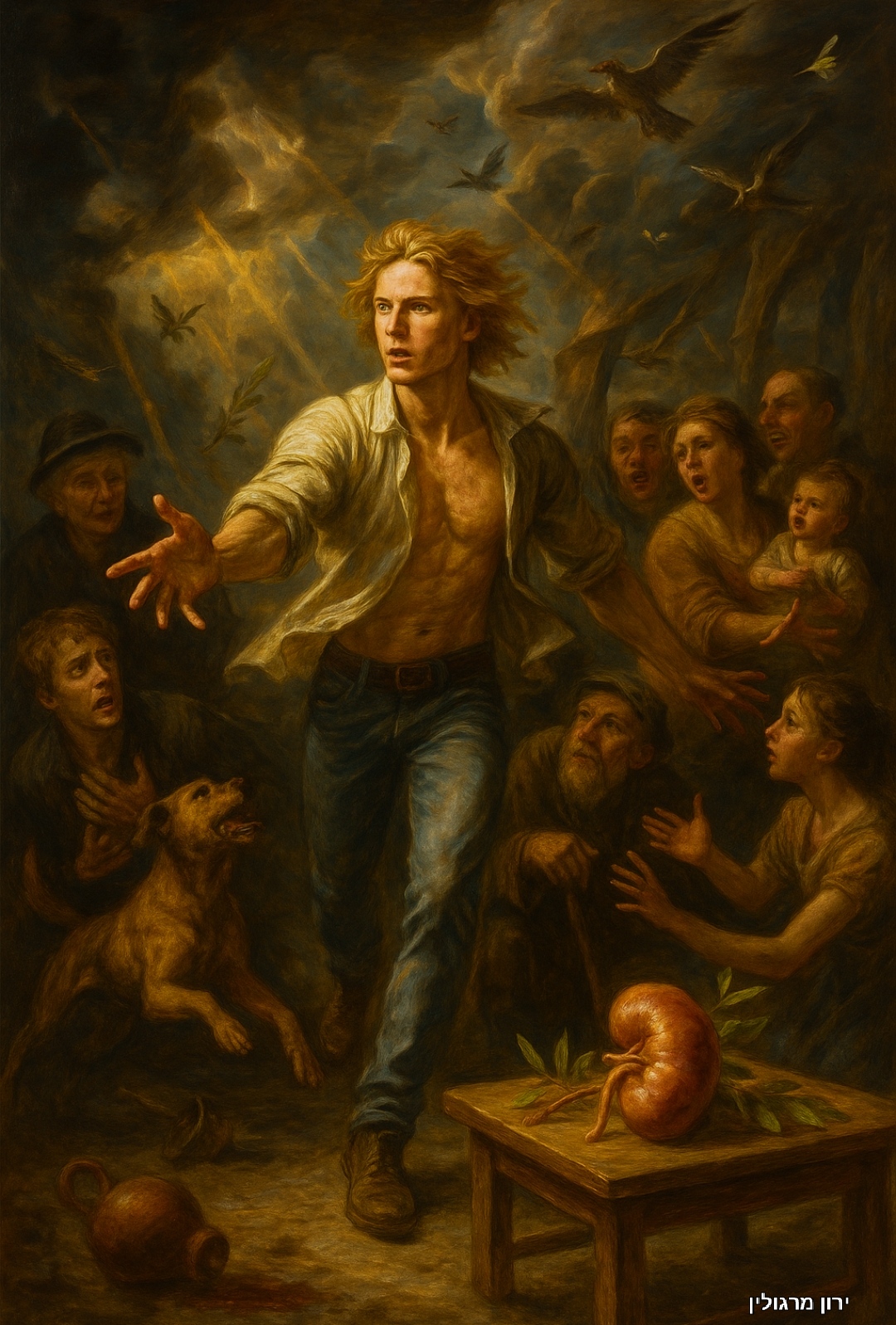
משה רבנו ולוחות הברית – מעמד הר סיני. צייר ירון מרגולין
לאחר מיפוי ארבע מחלקות ה-HDAC הקלאסיות, נתמקד באנזים אחד ששובר את כל המוסכמות – HDAC6 [מקור].
בעוד ששאר האנזימים במשפחה מתפקדים כ"שומרי הסף" המסורתיים של ה-DNA בתוך גרעין התא, HDAC6 בחר לפעול כיישות עצמאית לחלוטין במרחב הציטופלזמי [מקור] 🌊. הארכיטקטורה ה"דו-ראשית" החריגה שלו, בשילוב עם תפקידו הקריטי כמתחזק של השלד התאי (α-tubulin) וכמערכת הפינוי הראומטית של הגוף לחלבונים פגומים, הופכים אותו לאחד הרכיבים המרתקים והמבוקשים ביותר במחקר הרפואי המודרני.
כשהאנזים HDAC6 יוצא מאיזון, הוא הופך ממנקה יעיל לאיום הרסני וסכנת חיים.
במצב תקין HDAC6 הוא פועל תחזוקה שקוף. כשהוא משתולל:
החרבת שלד התא – יש לו מנגנון נעילה מיוחד (NES ו-SE14) שמשאיר אותו כמעט תמיד בציטופלזמה (נוזל התא 🌊), מחוץ לגרעין. במקום לחתוך קבוצות מחלבוני ה-DNA, הוא אחראי על ארגון השלד של התא. המטרה המרכזית שלו כנזכר לעיל, חלבון אלפא-טובולין ( α-tubulin) – אבני הבניין של "פסי הרכבת" הפנימיים של התא (מיקרוטובולים) [מקור1, מקור2]. פירוק מוגזם של אצטילציה ב-α-tubulin הופך את המיקרוטובולים לשבירים. התוצאה: פגיעה בהובלת אנרגיה, חלבונים ואותות עצביים – קשור לניוון עצבי (אלצהיימר, ALS, פרקינסון) [מקור1].
"איאפשרלנשום": מחקרים מראים שכאשר HDAC6 משתולל, הוא מעורב ישירות במחלות דלקתיות כרוניות של דרכי הנשימה (כמו אסתמה קשה ו-COPD) [מקור1]. דלקות כרוניות, ובהפרשת ציטוקינים דלקתיים (IL-6, TNF-α).
3. הוא עוזר לסרטן לברוח ולהתפשט (גרורות)
HDAC6 סיוע לסרטן – מגביר תנועתיות של תאי סרטן ומסייע ליצירת גרורות. בגלל שHDAC6 שולט בחלבוני השלד, כשהוא פועל יותר מדי הוא הופך את תאי הסרטן לגמישים ותנועתיים במיוחד. זה מאפשר להם להתנתק מהגידול המקורי, לחדור למחזור הדם ולייצר גרורות בכל הגוף.
בנוסף, הוא מעכב את החלבון Hsp90 (חלבון שמגן על הגוף), ובכך עוזר לתאים הסרטניים לשרוד טיפולים. [מקור1, מקור2, מקור3].
למה החסימה שלו היא בשורה רפואית?
יעד הבלימה מעורר השראה ותקווה. חסימה ממוקדת של HDAC6 נחשבת בטוחה יחסית [רסברטרול🍇 (Resveratrol): בוטיראט, חומצת שומן קצרתשרשרת המיוצרת במעי 🥔 , וכן חומצות שומן ארוכותשרשרת (חמאה, 🧀 גבינות קשות כמו גרוייר, אמסטרדם, קשקוול)], כי היא אינה משבשת את הקוד הגנטי בגרעין אלא רק את מערכת ההובלה והניקוי בציטופלזמה 🌊 [מקור2, מקור3].
אם נחסום אנזים HDAC רגיל שפועל בתוך ה-DNA, אנחנו יכולים להציל את הגוף מקשיים עצומים, יחד עם זאת אנחנו עלולים להרוס תאים בריאים ולגרום לרעילות גבוהה.
הפרדוקס
1 –HDAC6 פועל בנוכחותאבץ עולה אם כן השאלה הטיפולית: איך נרוקן את כל האבץ מגוף אדם חולה במחלה כרונית קשה, כדי לפתוח מחדש את הכספת?
וזו שאלת מחקר נורמאלית. HDAC6 פועל כאמור לעיל, בציטופלזמה (בנוזל התא), החסימה הממוקדת שלו קלה יותר ולא פוגעת בקוד הגנטי הבסיסי. היא פשוט לוקחת את ה"משוגע" שמשתולל, שמה לו ברקס, ומחזירה לתא את היציבות שלו – את פסי הרכבת התקינים ואת השקט הדלקתי [מקור1, מקור2 , מקור3].
לצד שאלות המחקר המופלאות נותרת שאלה בודדת, יתומה, אולי מושתקת:
מה גורם ל- HDAC6 להשתולל בציטופלזמה ומעליה שאלה עוד יותר קשה שלא ממש נשאלת, נושא שקשה להבינו:
מה גורם לכל משפחת האנזימים שאחראית להגן על הגנום, לכל סוגי הHDAC להשתולל?
כשכדורים כוחניים וסטרס תאי מאלצים את ה-HDAC לנעול את הגנום 🔒 [מקור]. פרוטוקול חומרים צנועים מהטבע והפעלת ה-HAT כדי להשיב לגוף את השקט הטיפולי.
כאשר אנו ניצבים על ההר ושואלים את שתי השאלות הנזכרות למעלה, שאלות קשות, השאלות האלו כמובן מושתקות – מה גורם לאנזימים האלו להשתולל? –
התמונה האפיגנטית נחשפת במלוא קומפוזיציית הדרמה שלה:
1. מה גורם ל-HDAC6 הספציפי להשתולל בציטופלזמה?
במצב תקין, HDAC6 ידידותי. הוא "פועל תחזוקה" שקוף שמסייע בניהול שלד התא (המיקרוטובולים) ופינוי חלבונים פגומים [מקור]. אבל כשאנו שואלים מתי הוא מתחיל להשתולל ולפרק את פסי הרכבת (α-tubulin) עקב שני טריגרים מרכזיים:
עומס חלבונים מקופלים שגוי (Proteotoxic Stress): כאשר התא מוצף בפסולת מטבולית, בסוכר עודף או ברעלנים, נוצרים צברים של חלבונים פגומים. HDAC6 נזעק לציטופלזמה 🌊 כדי לטפל בהם, אך תחת עומס בלתי פוסק, המערכת יוצאת מאיזון – הוא עובר הפעלת-יתר, ובמקום לנקות בעדינות, הוא מתחיל להחריב את יציבות שלד התא של תאי הסינון (הפודוציטים) [מקור].
היפוקסיה חריפה (חנק מחוסר חמצן): כפי שנראה בהמשך, כשהרופא רושם כדורים כוחניים שמכווצים את כלי הדם בכליה, הרקמה נחנקת. מחסור בחמצן הוא אות מצוקה שמפעיל אקטיבית את HDAC6 בציטופלזמה, כחלק מניסיון הישרדות נואש של התא לצמצם את צריכת האנרגיה שלו [מקור].
2. השאלה הקשה מכולן: מה גורם לכל משפחת ה-HDAC להשתולל יחד?
כאן מגיעה האמת המולקולרית המדהימה: המשפחה כולה לא משתגעת בגלל פגם גנטי; היא משתוללת בגלל אובדן הבלמים והאיזון הדינמי.
בגוף קיימת מערכת משקל-נגד קבועה: אנזימי ה-HAT (הפותחים) מול אנזימי ה-HDAC (הסוגרים).
מה שמפעיל את האנזימים הפותחים ה –HAT ושומר על ה-DNA פתוח 🔓 ומחלים הן מולקולות איתות חיוביות – ובראשן מטבוליטים המופקים מחמצן, מתזונה נקייה ומזרימה חופשית (כמו Acetyl-CoA). כלומר מה שנמצא בצלחת שלך.
כאשר האדם מציף את הנהר באינסולין גבוה, פחמימות ריקות ודלקת כרונית (Inflammaging), רמות ה-Acetyl-CoA בתא צונחות, ומערכת ה-HAT משתתקת מחוסר חומרי גלם.
התוצאה: כשאין בלם, כשמנגנון הפתיחה (HAT: היסטון אצטיל-טרנספראזות) הם משפחה של אנזימים המוסיפים קבוצת אצטיל לחומצת האמינו ליזין בחלבוני ההיסטון.) מורעב וחלש, משפחת ה-HDAC נותרת ללא רסן. היא אינה "משתוללת" מרוע; היא פשוט תופסת את הפיקוד הבלעדי על הגנום הריק, ובהיעדר אותות הרגעה, היא מפרשת את הסביבה החומצית והמבוהלת כאזור אסון, אוטמת את המקלטים, את הכספת, ונועלת 🔒 את שערי ה-DNA נעולים.
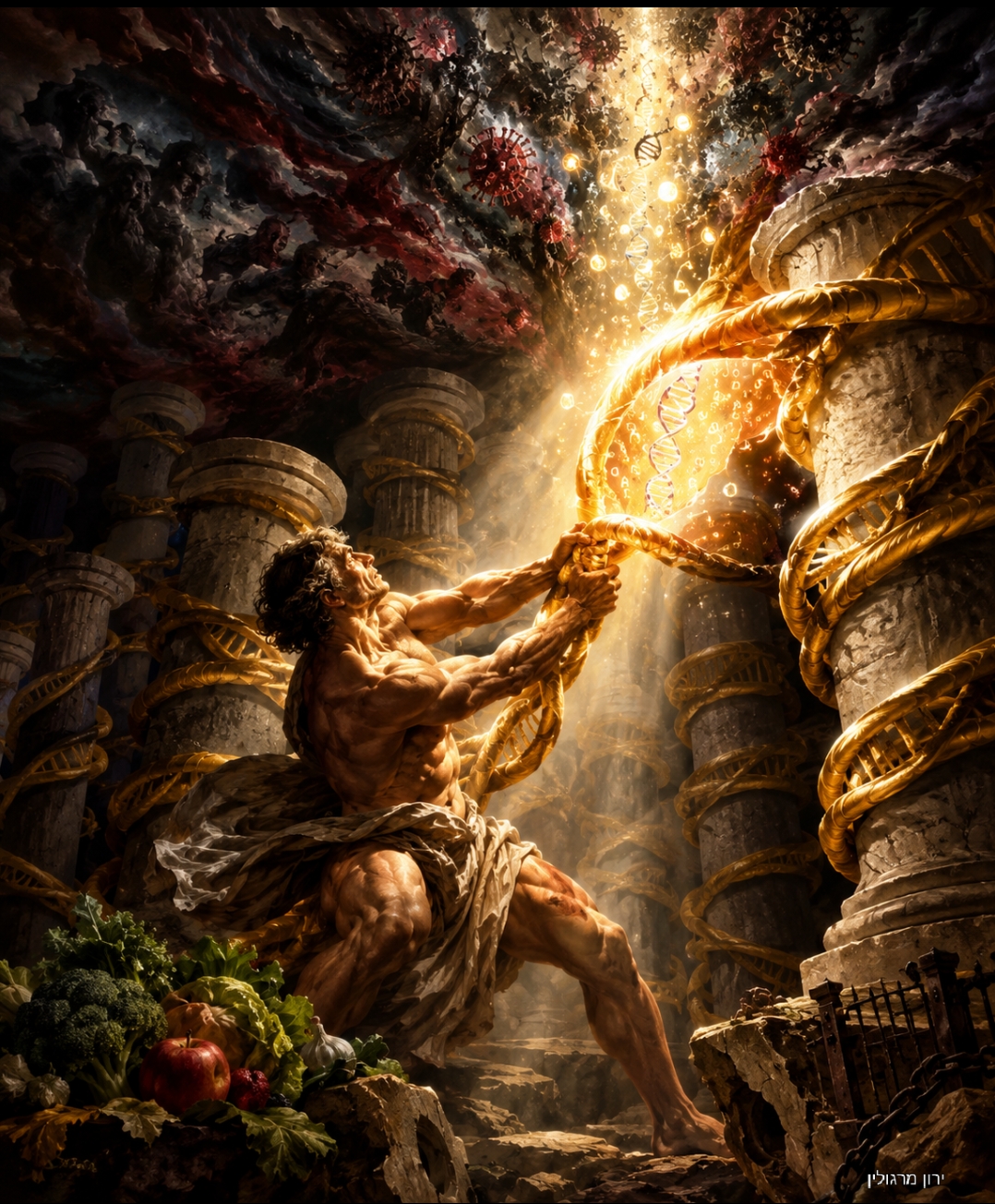
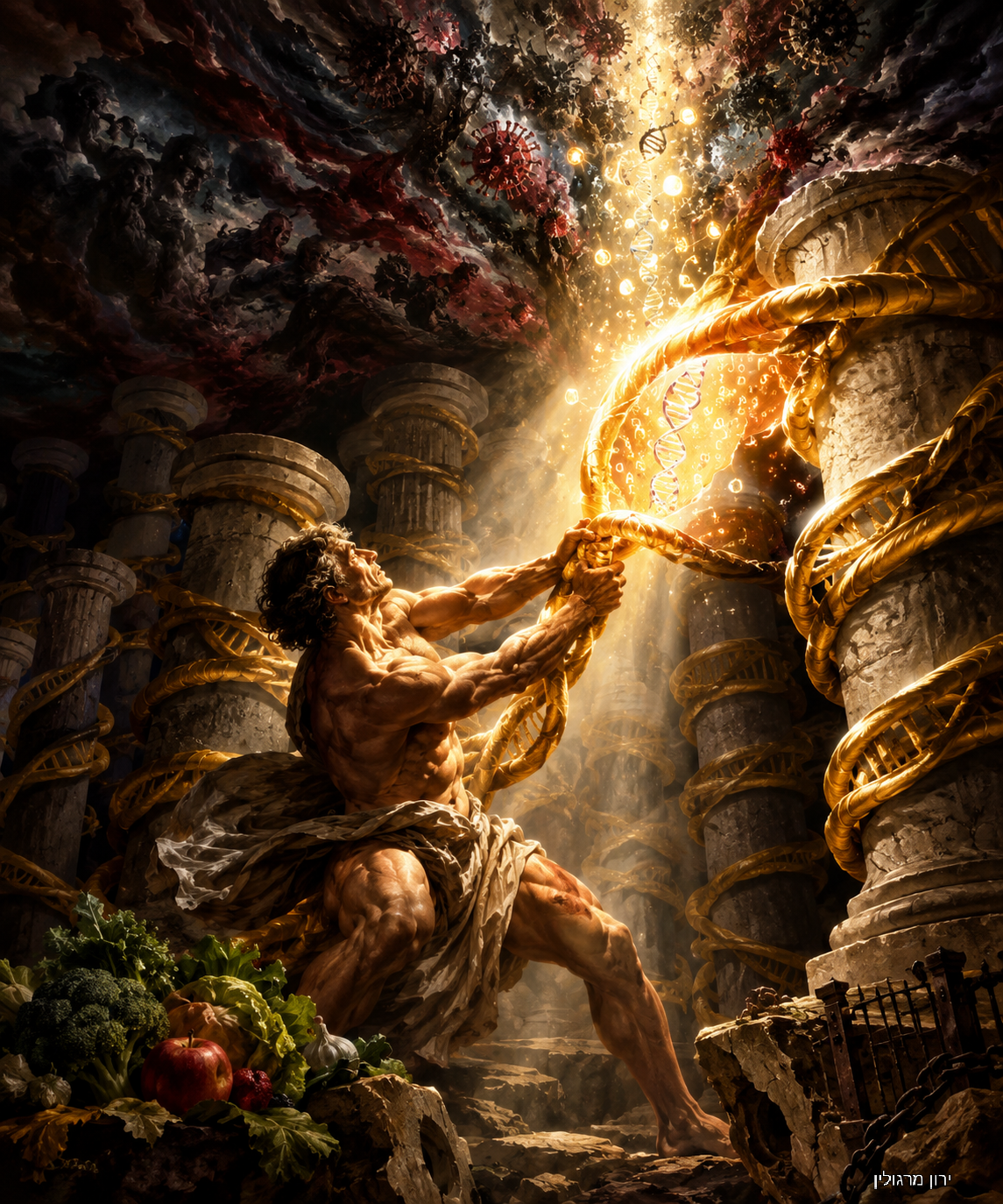
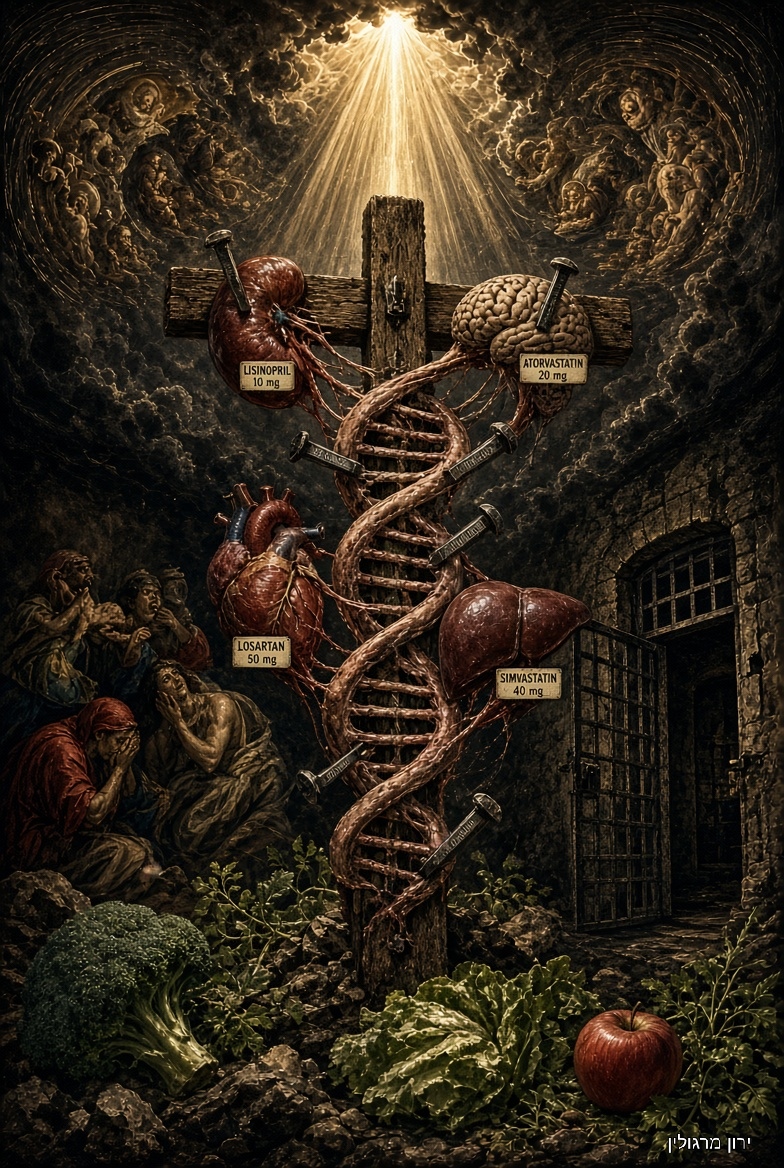
מבט אפיגנטי חלוצי על ציר האיברים [PMC11172481]. כיצד התנהלות האדם ותרופות כוחניות משביתות את ה-HAT ומאלצות את 18 אנזימי לנעול את הגנום [PMC12461650], ופרוטוקול החומרים הצנועים שמשיב לגוף את השקט. אנזימי ה-HDAC אינם אויב, אלא שומרי סף הנועלים את הגנום. מבט פורץ דרך על שבירת מעגל הרשע והחזרת החירות לתאי הכליה באמצעות חומרים צנועים מהטבע. קידום שיקום והחלמה. אנזימי HDAC (היסטון דאצטילאז) ✂️ הם חלבונים המסירים קבוצות אצטיל מחלבוני היסטון ומחלבונים נוספים, וכך מהדקים את אריזת ה-DNA ומדכאים את ביטוי הגנים. ירון מרגולין
הקשר בין פעילות יתר של HDAC והזדקנות
עם הזמן, לאחר שנות תזונה שאינה מתאימה לתפקוד התא, הרקמה ומסלולי ההחלמה, פעילות הגוף הופכת ללא מאוזנת וחלק מאנזימי ה-HDAC (בעיקר ממחלקות I ו-II) פועלים ביתר שאת. מצב זה מכונה זקנה, אבל הוא למעשה הצטברות ממושכת של הזנחה, ונזקים שמקורם ברעלים. תהליך זה גורם לכיבוי כרוני של גנים מגנים, כמו גנים נוגדי חמצון, גנים המפקחים על תיקון תאי וגנים אנטי-דלקטיים. שימושבמעכביHDAC טבעיים או מטבוליים נועד לרסן את הפעילות המוגזמת הזו ולאפשר לגנים החיוניים לשוב ולתפקד.
כאשר אנו מתבוננים על התנאים שהביאו את המערכת להדק את הסגירה האפיגנטית של הגנום, אנו רואים שלוש זירות מרכזיות של פגיעה:
זירת הרפואה הסימפטומטית (הרופא הנלחץ)
כאשר מדדי המעבדה מתחילים לזוז, המערכת הרפואית נכנסת ללחץ ומגיבה בכלים כוחניים – תרופות כימיות פולשניות מבחינה מטבולית שמיועדות להוריד מספרים באופן מלאכותי.
ההשלכה התאית: תרופות רבות מנסות "לאנוס" את המערכת לפעול בניגוד למצבה הנוכחי. התא מפרש את ההתערבות הכימית הפולשנית הזו כמתקפה וכגורם לחץ (סטרסור) נוסף. הוא חווה התקפה, נבהל, ובתגובה מהדק את ההגנה ואת סגירת כספת הגנום עוד יותר [מקור1 ,מקור2].
דווקא כשצריך שהגרעין יפתח, ויאפשר החלמה, הוא נעול ומסוגר. ירון מרגולין
להלן 3 דוגמאות מרכזיות לכדורים כוחניים כאלו, הממחישות את ההתערבות הכוחנית של הממסד הרפואי:
כדורים אלו נרשמים בקלות רבה מדי לשיכוךכאבים ודלקות פרקים. התוקפנות התאית: הן חוסמות את ייצור הפרוסטגלנדינים – החומרים הטבעיים ששומרים על כלי הדם בכליה פתוחים ומורחבים. חסימתם גורמת לכיווץ כלי דם פתאומי בכליות, חונקת את הרקמה מחמצן (היפוקסיה), ומאלצת את התא הנחנק לנעול את שערי ה-DNA 🔒 שלו כדי לשרוד [מקור1 , מקור2 , מקור3, מקור4].
כדורים פופולריים במיוחד להורדתחומציותבקיבה [מקור]. התוקפנות התאית: שימוש מתמשך בהם עלול לעורר תגובה חיסונית שגויה בגוף המובילה לנפריטיס אינטרסטיציאלית חריפה (AIN) – דלקת אגרסיבית ברקמת החיבור של הכליה. התא מזהה פולש זר במערכת, נכנס לסטרס אפיגנטי, ומפעיל את מנגנוני הסגירה של ה-HDAC [מקור1 , מקור2 , מקור3, מקור4].
הערה: סטרס אפיגנטי מתייחס למצב שבו לחץ פסיכולוגי (קורטיזול) או סביבתי גורם לשינויים כימיים ב-DNA מבלי לשנות את רצף הגנים עצמו. שינויים אלו משפיעים על האופן שבו הגוף מאפשר לקרוא את הנחיותיהם של הגנים ומפעיל אנזימים שסוגרים את הדלת או משבית אותם. כאשר הגוף חווה סטרס מתמשך, הוא משחרר הורמוני לחץ (כמו קורטיזול). הורמונים אלו מפעילים תהליכים ביוכימיים בתאים המובילים ל:• מתילציה של DNA: הוספת קבוצות מתיל החוסמות גישה לגנים מסוימים ומשביתות אותם.
כדורים כוחניים המשמשים כקו ראשון להורדתלחץדם [מקור1, מקור2, מקור3, מקור4]. התוקפנותהתאית: למרות שהכדורים מורידים את לחץ הדם המערכתי, הם משנים באופן דרסטי את הלחץ ההידרוסטטי הפנימי בתוךפקעיותהסינוןשלהכליה (הגלומרולוס). במצבים של התייבשות או חוסר איזון, הם עלולים להעלותמדדיקריאטינין בדם, ולהפיל באופן חריף אתקצבהסינון (GFR), דבר שהתא מפרש מיד כאיום קיומי ומגיב עליו בהידוק אטום של הגנום [מקור1, מקור2]. במחלת הכליות, מתים ממנה, נושא זה מוקצן ומסכן חיים.
שלוש הדוגמאות הללו מראות כיצד עליה בקורטיזול, מטח, חרדות, והכימיה הכוחנית מנסים אמנם לפתור סימפטום נקודתי שנרשם על הנייר, אך מותירה את תאי הרקמה פצועים, מבוהלים וסגורים מאחורי דלתות אחוזות HDAC. הורמון הלחץ שבא להרגיע, הורס. הורמון הלחץ המרכזי בגוף – הקורטיזול – נועדבמקור להגן עלינו ולהחזיר את הגוף לאיזון (הומאוסטזיס), אךכאשר הסטרס הופך לכרוני, הואמתהפךומביאלהרסמערכותפנימיות.
ההרס: סטרס מתמשך מציף את המוח בקורטיזול, מה שגורם לקולטנים בהיפוקמפוס (מרכז הזיכרון והוויסות הרגשי) להישחק ואף להתנוון.
התוצאה: המוח מאבד את היכולת "ללחוץ על הבלמים", והגוף ממשיך לייצר הורמוני לחץ ללא הפסקה, גם כשאין איום אמיתי בסביבה.
קורטיזול ברמות גבוהות לאורך זמן מחליש את המחסום הזה ומגביר את החדירות שלו.
התוצאה: רעלנים ומולקולות דלקתיות מהדם מצליחים לחדור לרקמת המוח, מה שמוביל ל"ערפל מוחי", קשיים בריכוז, ואף מגביר את הסיכון להפרע.
לחיצות ההחלמה משמשות לאזן מצב זה. במיוחד טיפול לאיזון הגוף והמוח [מקור].
תזונה המבוססת על תרבות השפע והלחץ כופה על הגוף תהליכים דלקתיים ומטבוליים הרסניים, אשר מאלצים את אנזימי ה-HDAC להיכנס לפעולה אגרסיבית של סגירת הגנום:
א. הצפת סוכר וקריסה אנרגטית: עודף של סוכר מעובד ופחמימות פשוטות מייצר בתא כמות אדירה של רדיקלים חופשיים (ROS) ומעמיס על המיטוכונדריה (תחנות האנרגיה) עד לקריסה מבנית. כתוצאה מכך, המטריצה החוץ-תאית (הנוזל הבין-תאי) מאבדת לחלוטין מגמישותה [מקור]. הנוזל המזין הופך לביצה טובענית וחומצית, שבה אותות הורמונליים ושדרים עצביים משתבשים לחלוטין ואינם מסוגלים להגיע ליעדם כהלכתם [מקור].
ב. מלכודת ה-TMAO (עודפי בשר, עוף, מוצרי חלב ואיברים פנימיים): צריכה מוגזמת של בשר אדום, איברים פנימיים (כמו כבד), עוף, ביצים ומוצרי חלב מציפה את המערכת בכולין ובקניטין [מקור]. רכיבים אלו מקדמים ייצור של מטבוליט הרסני בכבד בשם TMAO (Trimethylamine N-oxide). ה-TMAO מעלה באופן חריף את מדדי הדלקת ומעמיס תוצרי פירוק חנקניים רעילים על הכליה הפצועה.
הערה חשובה לגבי דגים: באופן מעניין, דגי ים ופירות ים מכילים TMAO מוכן מראש (המשמש אותם בטבע לוויסות לחץ אוסמוטי במים מלוחים). אכילת דגים מעלה את רמות ה-TMAO בדם באופן ישיר, מיידי ומהיר, ללא קשר לפעילות חיידקי המעי, ובכך מחמירה את האיום על הציר.
ג. פצצת ההומוציסטאין וכלי הדם: בנוסף לעומס החנקני, המערכת נאלצת להתמודד מול עלייה מסוכנת ברמות הציסטאין וההומוציסטאין בדם (Hyperhomocysteinemia), המתרחשת בשל שלושה גורמים משולבים:
גנטיקה לקויה, כגון מוטציה נפוצה בגן MTHFR הפוגעת אנושות ביכולת הגוף לעבד חומצה פולית סינתטית והופכת אותה לרעילה.
תפקוד כליות לקוי, שכן הכליות הפגועות אינן מסוגלות עוד לפנות את עודפי ההומוציסטאין מהדם.
ההומוציסטאין הגבוה שורט ופוצע את הדופן הפנימית של כלי הדם (האנדותל). כאשר התא מוצף ברעלנים אלו, חנוק מחוסר חמצן ומבין שהוא נמצא בסביבה חומצית ותוקפנית – הוא מפעיל באקט הישרדותי את אנזימי ה-HDAC כדי "לאטום את המקלטים" ולסגור לחלוטין את שערי ה-DNA מפני נזק גנטי בלתי הפיך [מקור].
ללא שמש, הגוף סובל ממחסור חמור בוויטמין D3 החיוני לפתיחת גנים אפיגנטיים מחלימים. בעקבותיו, חלה צניחה דרמטית בייצור חלבון הקלוטו (Klotho) – המוכר כמעיין הנעורים וכשומר הסף הראשי של אריכות הימים והתפקוד הכלייתי. בלעדיו, הרקמה מאבדת את הגנתה ומקדמת תהליכי הצטלקות [מקור1, מקור2, מקור3, מקור4].
ב. חנק תנועתי והיפוקסיה (חוסר חמצן):
ללא תנועה גופנית מינימלית, רמות פקטור השעתוק PGC-1α, ההכרחי לתפקוד המיטוכונדריה, צונחות באופן חריף. מחסור ב – PGC-1α מקדם ירידה ישירה בתפקוד השרירים, הכליות והלב [מקור]. בהמשך, זרימת הדם פוחתת ואספקת החמצן לרקמות העמוקות – ובראשן הכליה – נפגעת קשות (היפוקסיה) [מקור].
ההשלכה התאית: הרקמה נותרת חנוקה מחוסר חמצן ורעבה לאנרגיה זמינה. במצב מצוקה קיומי זה, התא אינו יכול להרשות לעצמו לבזבז משאבים על צמיחה או ריפוי; הדלתות ננעלות מיד, אנזימי ה-HDAC נכנסים לפעולה ומהדקים את אריזת הגנום כדי לחסוך בכל פירור של אנרגיה שנותרה במערכת.
לכן, בניית תפריט החלמה אמיתי אינה יכולה להסתפק רק בהגשת "אוכל בריא" או אפילו חומרים צנועים כמו מאצ'ה, קמח זרעי ענבים, או ברוקולי קפוא שרוסק היטב, וקמח קליפות רימונים, קליפות אננס או מעץ אורן. היא מחייבת קודם כל הבנה בסיסית והפסקת אש. עלינו להפסיק את התוקפנות המטבולית והכימית, היא מכונה זקנה, אבל היא מלחמה מתמדת בבריא, יש לשנות את הכיוון ולעצב אורחות חיים המבוססים על צרכי הביולוגיה, ורק אז – כשהתא מרגיש בטוח בסביבתו – אותם חומרים צנועים יכולים לפעול, לבלום בעדינות את ה-HDAC, ולפתוח 🔓 מחדש את שערי הריפוי שננעלו.
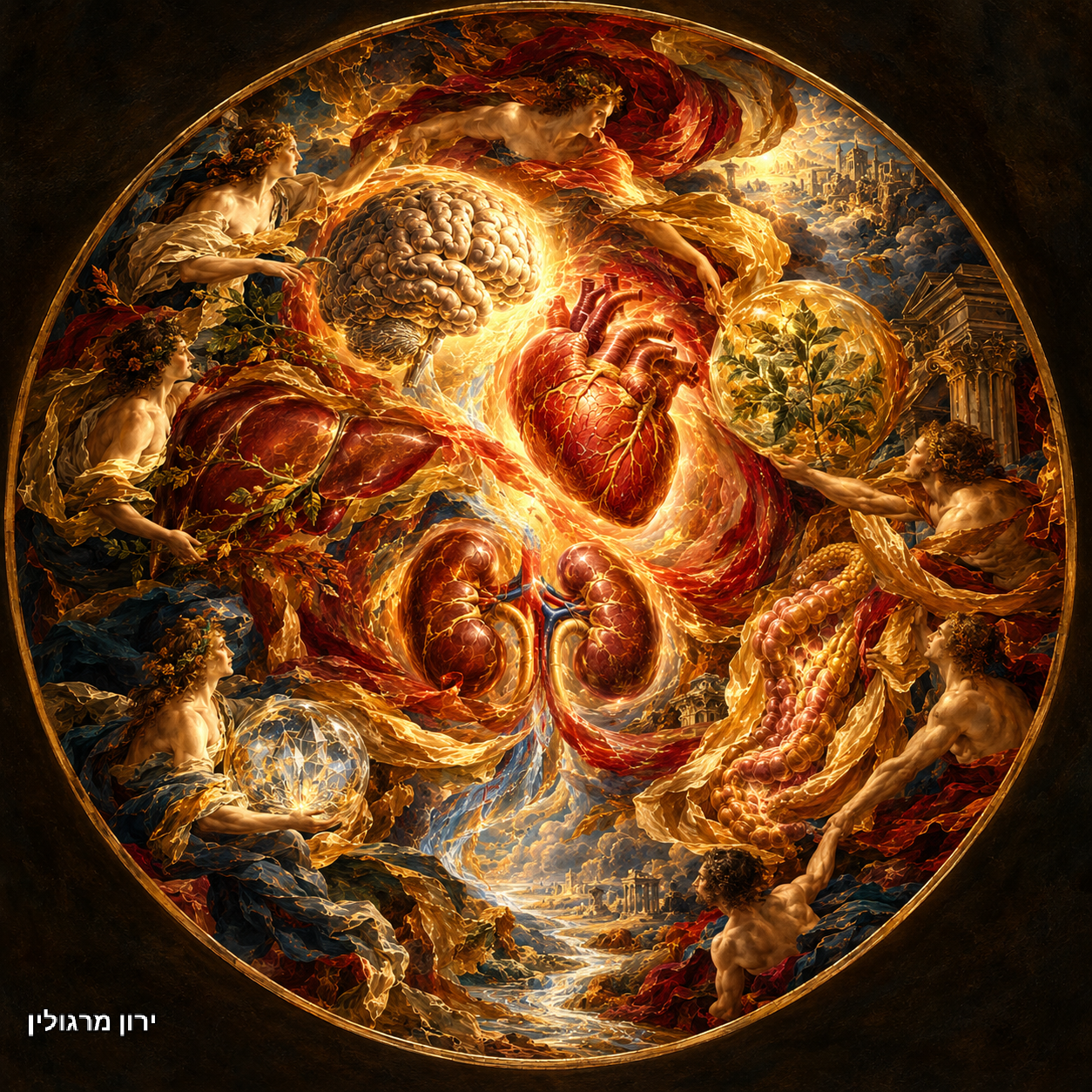
הרשת, ציר לב- כבד,- דופן המעי- מוח והשפעותיו על הכליה.
הסיפור שנחשף עתה אחר לגמרי. ואנחנו כבר מבינים, שלנושא סגירת הגנום, הכספת, וספר ההחלמה הטבעי שותפים גורמים, שלא העלנו בדעתנו כאפשר שיתקיימו בעולמנו. עכשיו אנו יותר מבינים מה גורם לגוף לפעול, לכאורה בניגוד לצרכים שלנו להחלים. עוד אנו מגלים שאין צורך להוריד את הירח כדי להחלים, כדי להאריך חיי אדם.
הפרדוקס, לפני שנגיע אל הפתרונות האפשריים, נשארה סוגיית האבץ פתוחה.
תזכורת:
שאלת מחקר נורמאלית. HDAC6 פועל כאמור בציטופלזמה (בנוזל התא 🌊), החסימה הממוקדת שלו קלה יותר ולא פוגעת בקוד הגנטי הבסיסי. היא פשוט לוקחת את ה"משוגע" שמשתולל, שמה לו ברקס, ומחזירה לתא את היציבות שלו – את פסי הרכבת התקינים ואת השקט הדלקתי [מקור1, מקור2 , מקור3].
לכן,
השאלה המנחה מחקרים ממומנים במאות מליוני דולרים לגבי הזיקה של HDAC6 לאבץ (הוא אנזים תלוי-אבץ, Zn2+-dependent) נשארה פתוחה, וחושפת את הדרך של המחשבה ההגיונית, הישנה, שרואה בחלק שלם, ובפרטים המנותקים מהרשת יעד: כאן היא בולטת במיוחד באבסורד של פתרונות כוחניים: שהרי אי אפשר "לרוקן" את האבץ מגוף החולה. האבץ חיוני לאלפי תהליכי חיים אחרים [מקור]. האבץ משמש כרכיב מבני או כזרז (קופקטור) עבור למעלה מ-300 אנזימים שונים, ולכן יש לו השפעה מכרעת על כמעט כל מערכת בגוף. מכיוון שהגוף אינויכוללאגוראבץלטווחארוך, יש לצרוך אותו באופן קבוע דרך התזונה: קטניות (עדשים, חומוס), אגוזים, זרעים (במיוחד זרעי דלעת וחמנייה) גם דגנים מלאים. מנגד, קל לחסל אותו ולפגוע במידי בשל כך, בהןמנעות "צום אבץ", אבל מה המחיר:
מערכת החיסון: האבץ חיוני לפיתוח ותפקוד של תאי חיסון (כמו תאי T). מחסור באבץ מחליש את התגובה החיסונית ומגביר את הרגישות לזיהומים.
חלוקת תאים וסינתזת DNA: האבץ משחק תפקיד מפתח בשכפול החומר הגנטי, בצמיחה ובחלוקה של תאים, תהליך החיוני במיוחד במהלך היריון, ינקות וילדות.
ריפוי פצעים:אבץ נדרש לשמירה על שלמות העור והריריות, והוא לוקח חלק פעיל בכל שלבי ריפוי הפצעים בגוף (ייצור קולגן, הפחתת דלקת וצמיחת רקמה חדשה).
חוש הטעם והריח: אחד האנזימים החשובים ביותר לחושי הטעם והריח תלוי לחלוטין באבץ. פגיעה בחושים אלו היא תסמין נפוץ של מחסור במינרל זה.
פעילות אנטיאוקסידנטית (נוגדת חמצון): האבץ מסייע בהגנה על התאים מפני נזקי רדיקלים חופשיים ומפחית תהליכים דלקתיים כרוניים.
זה אולי נשמע לך אבסורד, אבל מה בדיוק עומד מאחורי הרשימה שהוצגה למעלה, וזו רשימה חלקית. מה קורה בטיפול ביתר לחץ דם, כולסטרול, טריגליצרידים, וסוכר? זו הרי אותה מחשבה, רק בשל ההרגל אנחנו כבר לא מזהים את האבסורד שבה.
נמשיך אל שאלת המפתח שמהדהדת לאורך כל החיבור, זו שלא נשאלת… :
מה גורם למשפחת ה-HDAC להשתולל?
האנזימים אינם "משתגעים" מעצמם. הם מגיבים לאובדן האיזון הדינמי בין HAT (הפותחים) ל-HDAC (הסוגרים).
מה מפעיל את ה-HAT?
Acetyl-CoA. הוא המפעיל המרכזי והחיוני ביותר של אנזימי HAT (היסטון אצטילטרנספראזות – Histone Acetyltransferases). אנזימיHAT אחראים על תהליך האצטילציה של היסטונים, שפותח את מבנה הכרומטין ומאפשר שעתוק וביטוי של גנים. הם עושים זאת על ידי העברת קבוצת אצטיל (Acetyl) מתוך מולקולת ה-Acetyl-CoA אל חומצת האמינו ליזין שעל ההיסטון.
תזונה ונשימה תאית (חמצן): ה-Acetyl–CoA מופק באופן ישיר מפירוק של אבות המזון – פחמימות (דרך גלוקוז ופירובאט), שומנים (בטא-חמצון) וחלבונים – בתהליך הדורש חמצן במיטוכונדריה (או דרך אנזימים ציטופלזמטיים כמו ACLY). תזונה מאוזנת ומטבוליזם אנרגטי יעיל מבטיחים אספקה קבועה שלו. מה שנקרא מטבוליטים מחמצן, מתזונה נקייה ומזרימה חופשית – בראשם Acetyl-CoA.
"מטבוליט מחמצן" (Oxidizing metabolite) מתייחס למולקולה שנוצרת או משתתפת בתהליכי חילוף החומרים (מטבוליזם, פירוק של מזון), ותפקידה או השפעתה הכימית היא לחמצן מולקולות אחרות – כלומר, לקחת מהן אלקטרונים.
כדי להבין את המהלך בהקשר המטבולי והאפיגנטי (כמו הפעלת HATs או מנגנוני בקרה בתא), נחלק אותו לשני רבדים:
1. הרובד הביוכימי: ייצור אנרגיה במיטוכונדריה
בתהליך הנשימה התאית, התא מפרק חומרי תזונה כדי לייצר אנרגיה (ATP). התהליך הזה הוא בעיקרו שרשרת של תגובות חמצון-חיזור:
מולקולות כמו NAD⁺ או Oxygen (חמצן מולקולרי) פועלות כמחמצנים – הן "מושכות" אלקטרונים ומימנים ממולקולות המזון (כמו גלוקוז או שומן).
כאשר הן עושות זאת, מולקולות המזון מתפרקות ובסופו של דבר הופכות ל-Acetyl-CoA, אותו מטבוליט מרכזי שמפעיל את ה-HAT.
במובן זה, מטבוליזם מחמצן (Oxidative metabolism) הוא המנוע שמייצר את חומרי הגלם לאצטילציה של היסטונים. בשפה הכי פשוטה: כדי שהתא יוכל לייצר את "חומר הגלם" שמפעיל את ה-HAT, הוא חייב קודם כל לשרוף את המזון שאנחנו אוכלים בעזרת החמצן שאנחנו נושמים.
המטבוליזם המחמצן הוא פעולת השריפה של הדלק בתוך המנוע.
ה-Acetyl-CoA הוא "החום" או "החשמל" שהמנוע מייצר.
ה-HAT הוא פועל בקו הייצור, שצריך את החשמל הזה (ה-Acetyl-CoA) כדי להתחיל לעבוד ולפתוח את ספר ההוראות של ה-DNA.
במילים אחרות: בלי המנוע ש"שורף" ומפרק את המזון (שזהו המטבוליזם המחמצן), לא יהיה לתא את חומר הגלם (Acetyl-CoA) הדרוש כדי להפעיל את ה-HAT ולשנות את ביטוי הגנים.
כאשר אנחנו אוכלים מזון איכותי (מזונות כמו ירקות, שיבולת שועל, שמן זית, אבוקדו ואגוזים אשר מתפרקים בגוף בצורה מתונה ויציבה.), אנחנו מספקים לתא דלק נקי ויעיל שמקל על ייצור ה-Acetyl-CoA, מבלי לייצר "פסולת" שמכבידה על המערכת.
התוצאה התאית: המיטוכונדריה (תחנת הכוח של התא) מקבלת זרם קבוע ורגוע של חומרי הזנה. היא מפרקת אותם בקלות ל-Acetyl-CoA, מה שנותן ל-HAT את חומר הגלם שהוא צריך כדי לפתוח את הגנים הנכונים על מנת לקדם מהלך שמשרת את צרכי הגוף, בכלל זה תהליכי החלמה.
2. הרובד של עקה חמצונית (Oxidative Stress) ואותות בתא
בשיחות על בריאות ותזונה, המושג "מטבוליטים מחמצנים" מתקשר לרוב לרדיקליםחופשיים או ROS (חומרי חמצן פעילים, כמו מימן על-חמצני). צריכה של מזון מעובד וסוכר לבן גורמת למנוע התאי לעבוד קשה מדי בבת אחת. עומס זה מייצר כמות מוגזמת של אותם מטבוליטים מחמצנים, המובילים למצב של עקה חמצונית שעלולה לפגוע בחלבונים וב-DNA של התא.
מטבוליטים מחמצנים אלו נוצרים באופן טבעי כתוצר לוואי של ייצור האנרגיה במיטוכונדריה – 'המנוע' ששורף את המזון. עם זאת, בכמויות קטנות ותקינות, המטבוליטים הללו אינם מהווים 'רעל' אלא משמשים כמולקולות איתות (Signaling molecules). הם מודיעים לתא על קצב העבודה שלו, משפיעים על מצב החיזור-חמצון (Redox state), ומחוללים שינויים אפיגנטיים המאפשרים לתא להתאים את ביטוי הגנים שלו למצבו האנרגטי הנוכחי
בכמויות קטנות ותקינות, המטבוליטים המחמצנים הללו אינם "רעל", אלא משמשים כמולקולות איתות (Signaling molecules). הם מודיעים לתא על קצב העבודה שלו, משפיעים על מצב החיזור-חמצון (Redox state) של התא, ויכולים לגרום לשינויים אפיגנטיים כדי שהתא יתאים את ביטוי הגנים שלו למצב האנרגטי הנוכחי.
בשורה התחתונה: "מטבוליט מחמצן" בהקשר זה הוא חומר כימי תאי שתפקידו לקבל אלקטרונים, והוא חיוני הן כחלק מהמנגנון שמפרק מזון ל-Acetyl-CoA, והן כרשת תקשורת פנימית המדווחת לתא על מאזן האנרגיה והחמצן שלו.
כאשר האדם מציף את הגוף באינסולין גבוה, פחמימותריקות ודלקת כרונית (Inflammaging), רמות ה-Acetyl–CoA צונחות ↓, מערכת ה-HAT משתתקת ↓, המפתח לכספת נעלם, ומשפחת ה-HDAC נותרת ללא רסן ונועלת 🔒 את הגנום.
עכשיו גם המרתף נעול ❌, גם הדלת הכבדה אל חדר הכספות נעולה ❌, גם הכספת נעולה 🔒. ובתוכה סוד ההחלמה, והמפתח להפעלתם של צירי ההחלמה ואריכות ימים. הרופאים קוראים לזה זקנה, אבל האם הזקנה באמת מככבת כאן או ההזנחה?
גורמים מרכזיים לדיכוי ה-HAT ולהידוק הסגירה:
הצפה מטבולית (TMAO מבשר אדום תעשייתי, יתר ביצים, סוכרים, פחמימות ריקות)
רעילות סביבתית (דיאוקסינים), ערובות עשן.
מחסור בקרני שמש (ויטמין D3 ו-NO)
ישיבת יתר והיפוקסיה
התייבשות כרונית, מיעוט בשתיית מים.
מחסור בשינה עמוקה וסטרס כרוני (קורטיזול גבוה)
תרופות כוחניות (NSAIDs כמו דיקלופנאק/איבופרופן, PPIs כמו אומפרזול, חוסמי ACE/ARB) שנתפסות על ידי התא כמתקפה נוספת ומגבירות את הסגר האפיגנטי.
התא אינו טיפש – הוא מגיב לתרבות השפע והלחץ. כשהוא חנוק, מוצף בסוכר ומופגז בתרופות, הוא אוטם את המקלטים ונועל את שערי ה-DNA.
החומרים הצנועים – פתרון ולא מלחמה
ה-HDAC אינו אויב שיש להשמיד. התא אינו אמור לפתוח את כל הספר בבת אחת. הסגירה היא תנאי להישרדות.
השאלה הנכונה איננה "איך נפטרים מ-HDAC?", אלא: מה גרם לו להופיע בעוצמה כזו עכשיו?
הטיפול בחומרים צנועים מהטבע אינו מלחמה כוחנית באנזימים. הוא שינויהתנאיםהסביבתייםבתא – אות הרגעה עמוק המשדר שהסכנה חלפה.
רשימת חומרים אפיגנטיים ומסלולי ההחלמה התאית
חומרי הפתח ברשת האפיגנטית ובמנגנון ה-Longevity. המדע המודרני מאשש באופן חד-משמעי את מה שאנחנו מיישמים בקליניקה – מדובר בחומרי הזנה צנועים שמפעילים את צירי ההחלמה המרכזיים של התא. הם חלק מתפריט שמקדם שיקום כלייתי ומטבולי מלא.
סולפוראפן (Sulforaphane – מנבטי ברוקולי): מעכב ישיר של אנזימי HDAC (במיוחד Class I). מפעיל את מתג העל NRF2 לייצור נוגדי חמצון עצמיים וניקוי רעלים בתא.
שום מרוסק (תרכובות גופרית אורגניות – DADS): הופך בגוף ל-Allyl Mercaptan, המתחרה עם אנזימי ה-HDAC, פותח את ה-DNA ומפעיל את הגןp21 המגן על בקרת מחזור התא.
שורש כורכום (כורכומין): בעל אפקט כפול – מעכב HDAC ובמקביל מפעיל אנזימי HAT (פותחי גנים). חוסם את מסלול הדלקת המרכזי NF-kB. להגברת הספיגה, יש לצרוך תמיד עם פלפל שחור ושומן.
פלפל שחור (פיפרין – Piperine): חיוני לסינרגיה התאית. מעבר לתרומתו הצנועה לעיכוב HDAC, הוא חוסם את אנזימי הכבד שמפרקים את הכורכומין והפוליפנולים, ובכך מגביר את ספיגתם בגוף בעד 2,000%.
ליקופן (Lycopene – מעגבניות מבושלות/אבטיח): קרוטנואיד המשמש כשומר סף של המיטוכונדריה. מעכב HDAC מתון המגן על ה-DNA המיטוכונדריאלי מפני סטרס חמצוני שנועל את הגנים.
תהירוקמאצ'ה (EGCG): בעל יכולת מוכחת לעכב את האנזים HDAC3, מה שמוביל להפעלה מחדש של חלבוני FoxO. מנגנון אפיגנטי [מקור] וזה תורם להגנה על שרירהלב ותאי האנדותל, ומקדם אקטיבית צירי החלמה במצבי חולי כלייתי [מקור1, מקור2].
שורשקודזו (Kudzu / Puerarin): צמח מרפא מסורתי המכיל את הרכיב הפעיל פוארארין (Puerarin) [מקור]. מחקרים עדכניים (כולל פרסומים ב-Medscape, השבוע) מוכיחים כי הוא פועל כמעכב HDAC ממוקד, המאזן את הסביבה התאית ללא רעילות לקוד הבסיסי. הקודזו מפעיל אקטיבית את מסלולי ה-NRF2 והסירטואינים (SIRT1), בולם את הצטלקות הרקמה (פיברוזיס) ואת קריסת תאיהסינון בכליה, ומשפר דרמטית את הרגישות לאינסולין להורדת העומס המטבולי מנהר הדם [מקור]. בנוסף, הצמח נחקר רבות בשל השפעותיו המוכחות על הפחתת התשוקה (Craving) לאלכוהול בקרב מכורים, תכונה המעידה על יכולתו הייחודית לאזן את המערכת הנוירו-אנדוקרינית ולהרגיע את אותות החרדה וההישרדות במוח ובגוף [מקור].
קמח פרי/קליפת רימון: הופך במעי למולקולת אורוליטין A (Urolithin A), המפעילה מיטופאגיה – פירוק וחידוש של תחנות האנרגיה (המיטוכונדריה) הזקנות בתא.
קמח קליפות עץ אורן (פיקנוגנול): עשיר ב-OPCs המגנים על שלמות ה-DNA מחמצון ומשפרים את אלסטיות כלי הדם התומכים בתא.
קוטלי תאים זקנים (Senolytics): הקוורצטין, ויותר ממנו הפיזטין (הנמצא בתותים ובאפרסמונים), הם החומרים הטבעיים החזקים ביותר שהמדע מצא לפעילות סנוליטית – הם מסוגלים לזהות באופן סלקטיבי את התאים הזקנים והסניליים בגוף (אלו שמפרישים רעלים ואיבדו את זהותם) ולגרום להם להשמדה עצמית (אפופטוזיס), מבלי לפגוע בתאים הצעירים והבריאים.
פיזטין (Fisetin – מתותים/אפרסמונים): אחד הסנוליטיים הטבעיים העוצמתיים ביותר במדע המודרני, המוביל להשמדה עצמית של תאים סניליים ופינוי מקום להתחדשות.
קוורצטין (Quercetin – מקליפות בצל אדום/תפוחים): פועל בסינרגיה מושלמת עם ברומלין – קמח קליפות אננס (האננס משפר את ספיגתו). משמש כחומר סנוליטי המזהה ומחסל סלקטיבית תאים זקנים (SASP) המרעילים את הרקמה.
רסברטרול (Resveratrol – מקליפות ענבים אדומים): המפעיל העוצמתי ביותר של האנזים SIRT1. מחקה צום והגבלה קלורית, ומסייע לתא לזהות ולתקן שברים בחומר הגנטי. הכוסמת הירוקה (שאינה דגן אלא זרע) היא פצצה אפיגנטית בזכות ריכוז גבוה של רוטין (Rutin) ופוליפנולים ייחודיים, אחד ממפעילי הSIRT1 הטובים ביותר.
קרני שמש מבוקרות (אור בוקר): מייצרות ויטמין D3 (הורמון המשפיע על ביטוי של אלפי גנים ושומר על אורך הטלומרים), משחררות ניטריק אוקסיד (NO) להרחבת כלי דם, ומאפסות את השעון הצירקדי לתיקון DNA בלילה.
עמילן עמיד (מתפוח אדמה שבושל וקורר 24 שעות): מגיע שלם למעי הגס, שם החיידקים מתסיסים אותו ומייצרים בוטיראט – חומצת שומן קצרת שרשרת שהיא מעכב ה-HDAC הטבעי והראשי של הגוף המאפס את האפיגנטיקה ומוריד דלקתיות (Inflammaging).
פסיליום (קליפות זרעי פסיליום), קמח שורש אגבה, וג'ל אלוורה: סיבים מסיסים ופוליסכרידים המשמשים מצע הזנה (פרה-ביוטיקה) לחיידקי המעי להגברת ייצור הבוטיראט והרגעת רירית המעי. ג'ל אלוורה: מכיל פוליסכרידים מורכבים (כמו אקמנן). רכיבים אלו פועלים כחומרי הזנה ייעודיים לחיידקים פרוביוטיים ידידותיים במעי. מעבר להרגעת רירית המעי, האלוורה תומכת בעקיפין בייצור הבוטיראט האפיגנטי.
בטא-הידרוקסיבוטיראט (BHB – גופי קטון): מיוצר בכבד בזמן צום או תזונה קטוגנית. דומה לבוטיראט אך חוצה את מחסום הדם-מוח ומגן אפיגנטית על מערכת העצבים והנוירונים.
אומגה 3 משמן זרעי חרדל (חומצה אלפא-לינולנית – ALA): חומצת שומן חיונית המשתלבת בקרום התא, שומרת על גמישותו, ומפחיתה את התגובה הדלקתית המערכתית שנועלת את ה-DNA.
5. הבחנה קריטית למאמר: חומרים חיצוניים (רעילות מול ריפוי)
קמפור (Camphor) וניים (Neem): צמחים אלו התפתחו לייצר חומרי הגנה רעילים נגד פולשים. אינם מפעילים מסלולי החלמה פנימיים בבליעה (רעילים מאוד לכבד ולכליות). השימוש בהם ברפואת ה-Longevity הוא חיצוני בלבד (על העור) כדי לגרות פיברובלסטים ולעודד קולגן באמצעות סטרס מקומי מבוקר.
אל תבלבלו את המוח.
הדיאלוג הסיפורי של הריפוי – שוב שקט הכרנו חלק מרשימת המרכיבים הצנועים שעשויים לסייע לנו לקדם רשת חיונית ופעילה בגופנו. השימוש בהם דורש, כמובן, התבוננות עמוקה והבנה של המצב המדויק שבו נמצא הגוף באותו רגע – מה כן, מה לא, מה להוסיף שלא נמצא ברשימה זו, מה לגרוע, באיזו מידה ולכמה זמן. הריפוי אינו פרוטוקול נוקשה; הוא דיאלוג חי. אל תבלבלו את המוח.
ההחלמה והחירות האפיגנטית נמצאות בסופו של דבר בידינו שלנו: במים הנקיים, בהליכה הנינוחה, בשמש של הקמינו, בפירות הצנועים ובאוויר הנקי.
ואם אינכם מוצאים ברוקולי בדרככם – טלו פסיליום או סולפוראפן; שתו בערב כוס יין אדום נפלא מריוחה, ופשוט לכו. לכו. ההחלמה תגיע. תפוח עץ ליום, מעט לחם מלא, שיפון, מים, וכמובן סלט טרי, מרק עדשים או אפונה. ולכו – לאט, מהר, במישור, אבל גם בעלייה. מפמפלונה תתעקשו לעלות אל האלטו דה פרדון (Alto del Perdón, "ההר של המחילה") בין העיר פמפלונה לפואנטה לה ריינה בספרד חלק מה קמינו דה סנטיאגו, ותחושו באושר של הגוף שחוזר לפעום מתוך חירות ולא מתוך הישרדות מבוהלת.
והנהר זורם עכשיו אחרת. לא סוער. לא סמיך. לא מלא בשודדים.
הכליה אומרת בשקט: “אני כבר לא צריכה לשלוח מספריים כל היום. המפלס יציב. הזרימה טובה. אני יכולה סוף סוף לנוח קצת בין הסינונים.”
הלב עונה: “אני מרגיש אותך. העליות שלי כבר לא מתוחות כל הזמן. אני שולח ANP ואת מקשיבה. הדופק במנוחה ירד.
עצב הוואגוס חזר. אני כבר לא צועק למוח ‘מלחמה’. אני לוחש ‘שלום’.”
הכבד מצטרף: “הפסקתי לייצר שומנים פגומים. הטריגליצרידים ירדו. חומצת השתן כמעט נעלמה. אני שולח פחות ציטוקינים. הלפטין יכול עכשיו לעבור את השער. אני חוזר להיות ארמון, לא בית חרושת.”
המוח, מלמעלה: “הנהר שמגיע אליי נקי יותר. המחסום שלי נסגר שוב. המיקרוגלייה חזרו להיות גננים. BDNF חוזר. אני יכול לחשוב בלי ערפל. אני יכול להרגיש בלי מועקה כרונית בחזה.”
ואז, לרגע, כל הארבעה שותקים יחד. לא מתוך… פחד. מתוך הקשבה.
הנהר ממשיך לזרום. האדם שחי בתוכו מרגיש משהו חדש: לא התרגשות גדולה. לא “ניצחון”. רק שקט. רק תחושה שהגוף שוב יודע איך להיות.
הרקדן על הבמה כבר לא צריך להילחם במוזיקה המלאכותית. הוא רק מקשיב. והנהר נושא אותו.
קראו מאמרי מחקר, בבלוג הזה, התעדכנו… ואל תשכחו חובת התייעצות עם הרופא המטפל. Buen Camino.
ירון מרגולין
חלק ב' (החלק שיפורסם בהמשך):צירי ה-HDAC – מהציטופלזמה ועד ציר כליה-כבד-לב-מוח
במאמר ההמשך: "צירי ה-HDAC" בציטופלזמה ובשלד התא, אעמוד על: הרחבת הדרמה אל מחוץ לגרעין. הוספת המושג "ציריHDAC" (ובמיוחד ציר HDAC6 והטובולין), יעמוד על הפגיעה המבנית בשלד הפודוציט, הסטרסור הכימי והחרדה התאית המערכתית. החלק הזה יציג את ה"ברקס" העדין והמכוון של התזונה והצמחים (כורכומנואידים, אשוגנדה, מאצ'ה, המיץ הירוק) מול הכשל ההרסני של מעכבי HDAC כימיים אלימים. או גם שימוש בחומרים כימיים כגון הסימבלתה (Cymbalta / דולוקסטין) 30 מ"ג. מינון נמוך מאוד. כדור כוחני, יעיל מאוד אך במחיר שמתעלם לחלוטין מהמהלך נמטבולי שהתא משלם על נוכחותו:
פינוי כלייתי פגוע: דולוקסטין עובר מטבוליזם בכבד אך תוצריו מפונים דרך הכליות. במצב של אי ספיקת כליות מתקדמת (עבור חולים עם eGFR נמוך מ-30), התרופה והמטבוליטים הרעילים שלה מצטברים בדם באופן מסוכן ואינם מפונים.
חנק תאי והידוק ה-HDAC: הצטברות החומר הכימי הזה מהווה סטרסור (גורם לחץ) פולשני חריף עבור הרקמה הכלייתית. תאי הסינון הנחנקים מפרשים את הלחץ הכימי כמתקפה, נבהלים, משביתים את מערכת ה-HAT ומפעילים את אנזימי ה-HDAC (במיוחד Class I) הנועלים את כספת הגנום ומובילים להצטלקות (פיברוזיס) של הרקמה
הפגיעה בציר כליה-כבד-לב-מוח
הסימבלתה משפיעה באופן ישיר על הנוירוטרנסמיטרים (סרוטונין ונוראדרנלין), ובכך היא משבשת את השפה של הציר כולו:
רעש מערכתי: היא מעלה את הטון הסימפתטי, עלולה לגרום לתנודתיות בלחץ הדם, לפגוע במדד ה-HRV של הלב, ולשתק את בלם היד התבוני של עצב הוואגוס.
ערפל בטרקלין המשגה בה השתמשתי בהתמודדותנו על ציר כליה-לב-כבד- מוח (הטרקלין) – כאן: במקום לנקות את הנהר המטבולי שהצפין אל המוח, כלומר את זרם הדם הצפוני, הכדור משנה באופן מלאכותי את הכימיה בטרקלין, משאיר את המיקרוגלייה במצב לוחמני (Neuroinflammation), וחונק את ה-BDNF.
כאן יכנס פרק על
מתיל שמגיע ממיץ ירוק המבוסס על עלים ירוקים וירקות דלי אשלגן (כמו חסה, גבעולי סלרי, כרוב, ברוקולי וקולרבי), לצד שילוב מבוקר של רכיבים תומכים כמו אוכמניות, עלי צבר צעירים, קמח קליפות רימונים, שורש כורכום עם פלפל שחור, קמח זרעי חרדל ותה ירוק מאצ'ה.
— השיחה שקיימתי עם זהבה (פרופ' זהבהזיגפריד, בשבת ה 17 באוקטובר 2026) מוסיפה את שכבת ה-RNA כמתווכת ומנהיגה חופשית:
* ה-RNA אינו רק השליח שמבוצעת עליו ההוראה; הוא המנצח על התזמורת שמגייס את ה-HDACs, מרגיש את הסטרסור המטבולי בתא, ומחליט אילו גנים ייפתחו ואילו יינעלו.
נושא זה, חדש, נמצא בחזית המחקר כיום מעשיר את רפואת הרשתות שמתפתחת ויובא בחלק ג' הוא כאמור נושא חדש לגמרי ומרתק על "אינטליגנציה תאית".
נושא בעל חשיבות עליונה בה הזווית הזו של ה-RNA משתלבת עם הרעיונות שלמדנו על דרכי השיקום הכלייתי.
בבקשה לא להתקשר משום שזה פשוט לא מאפשר לי לעבוד – אנא השתמשו באמצעים שלפניכם –
Any questions left?I’m happy to assist and answer any question you may have.Please use the contact methods below — this is the best way to reach me.
למעןהסרספק, חובת התייעצות עם רופא (המכיר לפרטים את מצבו הבריאותי הכללי של כל מטופל או שלך) לפני שימוש בכל תכשיר, מאכל, תמצית או ביצוע כל תרגיל. ירון מרגולין הוא רקדן ומבית המחול שלו בירושלים פרצה התורה כאשר נחשפה שיטת המחול שלו כבעלת יכולת מדהימה, באמצע שנות ה – 80 לרפא סרטן. המידע באתר של ירון מרגולין או באתר "לחיצות ההחלמה" (בפיסבוק או MARGOLINMETHOD.COM ), במאמר הנ"ל ובמאמרים של ירון מרגולין הם חומר למחשבה – פילוסופיה לא המלצה ולא הנחייה לציבור להשתמש או לחדול מלהשתמש בתרופות – אין במידע באתר זה או בכל אחד מהמאמרים תחליף להיוועצות עם מומחה מוכר המכיר לפרטים את מצבו הבריאותי הכללי שלך ושל משפחתך. מומלץ תמיד להתייעץ עם רופא מוסמך או רוקח בכל הנוגע בכאב, הרגשה רעה או למטרות ואופן השימוש, במזונות, משחות, תמציות ואפילו בתרגילים, או בתכשירים אחרים שנזכרים כאן.
For the avoidance of doubt, consult a physician (who knows in detail the general health of each patient or yours) before using any medicine, food, extract or any exercise. The information on Yaron Margolin's website or the "Healing Presses" website (on Facebook or MARGOLINMETHOD.COM), in the above article and in Yaron Margolin's articles are material for thought – philosophy neither recommendation nor public guidance to use or cease to use drugs – no information on this site or anyone You should always consult with a qualified physician or pharmacist regarding pain, bad feeling, or goals and how to use foods, ointments, extracts and even exercises, or other remedies that are mentioned as such
מקורות עיקריים [1] Wikipedia – Histone deacetylase [2] ScienceDirect – Histone deacetylase [3] Frontiers in Immunology – HDAC6 reviews (2025) [4] Nature Scientific Reports – HDAC6 structure and function [5] ScienceDirect / PubMed – HDAC11 deficiency resists obesity (2024) [6] eBioMedicine – Programming and Regulation of Metabolic Homeostasis by HDAC11 (2018) [7] PubMed – HDAC11 and BRD2 / thermogenesis [8] PMC – Dietary histone deacetylase inhibitors (butyrate, sulforaphane) [9] Linus Pauling Institute / Current Drug Targets – Dietary HDAC inhibitors
הערה חשובה חובת התייעצות עם רופא המכיר את מצבך הבריאותי לפני כל שימוש בתכשיר, מאכל, תמצית או תרגיל. המידע במאמר הוא חומר למחשבה ופילוסופיה בלבד – אינו המלצה רפואית ואינו תחליף לייעוץ מקצועי.
הדיאלוג שבין אנזימי הHAT ל-HDAC יכול להרוג אותך: על הדרמה שבין מחלה (סגירת הכספת / הגנום) לחירות /לונג'ביטי (Longevity) | ירון מרגולין
אנזימי ה-HDAC אינם אויב, אלא שומרי סף הנועלים את הגנום. מבט פורץ דרך על שבירת מעגל הרשע והחזרת החירות לתאי הכליה באמצעות חומרים צנועים מהטבע. קידום שיקום והחלמה. אנזימי HDAC (היסטון דאצטילאז) הם חלבונים המסירים קבוצות אצטיל מחלבוני היסטון ומחלבונים נוספים, וכך מהדקים את אריזת ה-DNA ומדכאים את ביטוי הגנים. ירון מרגולין
מנגנון ה-HDAC וה-HAT: הדיאלוג האפיגנטי של הריפוי | ירון מרגולין